
-
×
 Activate Your Genius By Unlock Your Design Academy
1 × $39,00
Activate Your Genius By Unlock Your Design Academy
1 × $39,00 -
×
 Master of Connection By John Keegan
1 × $209,00
Master of Connection By John Keegan
1 × $209,00 -
×
 12 Week Spine Mobility Upgrade By Nat Viranond
1 × $62,00
12 Week Spine Mobility Upgrade By Nat Viranond
1 × $62,00 -
×
 The Food Matters Nutrition Certification Program By James Colquhoun
1 × $139,00
The Food Matters Nutrition Certification Program By James Colquhoun
1 × $139,00 -
×
 AI NSFW Mastery - Unlock the Secrets of AI Porn! By Only AI
1 × $23,00
AI NSFW Mastery - Unlock the Secrets of AI Porn! By Only AI
1 × $23,00 -
×
 The Plantar Fasciitis Program By Got Rom
1 × $23,00
The Plantar Fasciitis Program By Got Rom
1 × $23,00 -
×
 Ultimate Blood Work Course By Sten Ekberg
1 × $31,00
Ultimate Blood Work Course By Sten Ekberg
1 × $31,00 -
×
 Ng Hang Gwun – 5 Element Pole By Chow Gar Tong Long
1 × $31,00
Ng Hang Gwun – 5 Element Pole By Chow Gar Tong Long
1 × $31,00 -
×
 Advanced Tui Na By Sarah Pritchard And Pacific Rim College
1 × $132,00
Advanced Tui Na By Sarah Pritchard And Pacific Rim College
1 × $132,00 -
×
 Brand Authority Profits By Dan Henry
1 × $39,00
Brand Authority Profits By Dan Henry
1 × $39,00 -
×
 Peptide Therapy: Foundations Course By William Seeds
1 × $248,00
Peptide Therapy: Foundations Course By William Seeds
1 × $248,00 -
×
 The American Monk Healing Triangle By Burt Goldman
1 × $6,00
The American Monk Healing Triangle By Burt Goldman
1 × $6,00 -
×
 The Integral Body: Injury Proof Your Body By Mark Suski
1 × $39,00
The Integral Body: Injury Proof Your Body By Mark Suski
1 × $39,00 -
×
 The Pleasure Diet By Amy Waterman And Your Brilliance
1 × $8,00
The Pleasure Diet By Amy Waterman And Your Brilliance
1 × $8,00 -
×
 Double Your Poses Double Your Funds by Michael Sasser
1 × $46,00
Double Your Poses Double Your Funds by Michael Sasser
1 × $46,00 -
×
 MovNat® Mobility By Danny Clark - MovNat
1 × $39,00
MovNat® Mobility By Danny Clark - MovNat
1 × $39,00 -
×
 Master Collection | 8K Medium Format Sky Library by Gary Martin
1 × $8,00
Master Collection | 8K Medium Format Sky Library by Gary Martin
1 × $8,00 -
×
 Land Flipping 101 Course By Kris Thomas
1 × $209,00
Land Flipping 101 Course By Kris Thomas
1 × $209,00 -
×
 The Social Clique By Rachel Pedersen
1 × $23,00
The Social Clique By Rachel Pedersen
1 × $23,00 -
×
 Opthink By Everyday Spy
1 × $69,00
Opthink By Everyday Spy
1 × $69,00 -
×
 White Phoenix’s The Smart (Money) Approach to Trading By Jayson Casper
1 × $39,00
White Phoenix’s The Smart (Money) Approach to Trading By Jayson Casper
1 × $39,00 -
×
 Online Herbal Immersion Program By Juliet Blankespoor
1 × $85,00
Online Herbal Immersion Program By Juliet Blankespoor
1 × $85,00 -
×
 MovNat® Level Up By Danny Clark And Jerome Rattoni - MovNat
1 × $62,00
MovNat® Level Up By Danny Clark And Jerome Rattoni - MovNat
1 × $62,00 -
×
 Training Session - Half-Guard by Roberto Gordo
1 × $6,00
Training Session - Half-Guard by Roberto Gordo
1 × $6,00 -
×
 Make Small Talk Sexy 2.0 by Bobby Rio
1 × $5,00
Make Small Talk Sexy 2.0 by Bobby Rio
1 × $5,00 -
×
 Framer Training By TRAF
1 × $5,00
Framer Training By TRAF
1 × $5,00 -
×
 Options Academy Elevate By Simon Ree - Tao of Trading
1 × $109,00
Options Academy Elevate By Simon Ree - Tao of Trading
1 × $109,00 -
×
 6 Steps to Great Leadership (Videos Only) By John Demartini
1 × $54,00
6 Steps to Great Leadership (Videos Only) By John Demartini
1 × $54,00 -
×
 Programming with Emerging Strategies By Mike Tuchscherer - Reactive Training Systems
1 × $209,00
Programming with Emerging Strategies By Mike Tuchscherer - Reactive Training Systems
1 × $209,00 -
×
 Introductory Herbal Course By The Herbal Academy
1 × $31,00
Introductory Herbal Course By The Herbal Academy
1 × $31,00 -
×
 The New Rules of Attraction: How to Get Him, Keep Him, and Make Him Beg for More by Arden Leigh
1 × $5,00
The New Rules of Attraction: How to Get Him, Keep Him, and Make Him Beg for More by Arden Leigh
1 × $5,00 -
×
 Human Design Business Kickstart Bundle 2024 By Becca Francis
1 × $78,00
Human Design Business Kickstart Bundle 2024 By Becca Francis
1 × $78,00 -
×
 Metabolic And L1 Fundamentals Bundle By MovNat
1 × $101,00
Metabolic And L1 Fundamentals Bundle By MovNat
1 × $101,00 -
×
 The Skeptic Guide to Health Medicine and the Media By Roy Benaroch
1 × $5,00
The Skeptic Guide to Health Medicine and the Media By Roy Benaroch
1 × $5,00 -
×
 Master The Bedroom Program By Apollonia Ponti
1 × $31,00
Master The Bedroom Program By Apollonia Ponti
1 × $31,00 -
×
 The Frozen Shoulder Program By Got Rom
1 × $23,00
The Frozen Shoulder Program By Got Rom
1 × $23,00 -
×
 Scale with Courses By Laurie Burrows
1 × $179,00
Scale with Courses By Laurie Burrows
1 × $179,00 -
×
 Modern Scoring Mastery By Jonas Friedman
1 × $62,00
Modern Scoring Mastery By Jonas Friedman
1 × $62,00 -
×
 The SMMA Academy Plus 2023 By Sander Stage
1 × $23,00
The SMMA Academy Plus 2023 By Sander Stage
1 × $23,00 -
×
 OLP - Chiropractic Mastery By John Demartini
1 × $46,00
OLP - Chiropractic Mastery By John Demartini
1 × $46,00 -
×
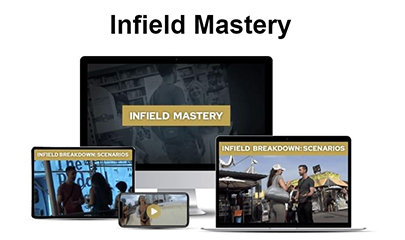 Infield Mastery Program By Matt Artisan
1 × $69,00
Infield Mastery Program By Matt Artisan
1 × $69,00 -
×
 Freedom By Peter Crone
1 × $39,00
Freedom By Peter Crone
1 × $39,00 -
×
 Semen Retention Mastery By Taylor Johnson
1 × $23,00
Semen Retention Mastery By Taylor Johnson
1 × $23,00 -
×
 DeluxeBundle Collection Seduction Materials by Brad P
1 × $5,00
DeluxeBundle Collection Seduction Materials by Brad P
1 × $5,00 -
×
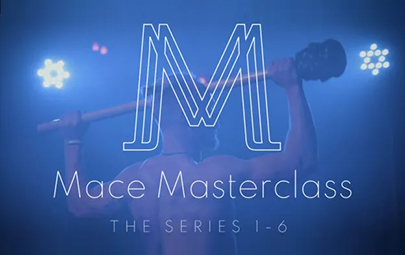 Mace Masterclass Series 1-6 By Harbert - Dutch Flow Academy
1 × $78,00
Mace Masterclass Series 1-6 By Harbert - Dutch Flow Academy
1 × $78,00 -
×
 Landscape Composition 2 - An eBook on Composition in Landscape Photography by Mads Peter Iversen
1 × $5,00
Landscape Composition 2 - An eBook on Composition in Landscape Photography by Mads Peter Iversen
1 × $5,00 -
×
 Heart Awakenings By Unlock Your Design Academy
1 × $46,00
Heart Awakenings By Unlock Your Design Academy
1 × $46,00



Peoples and Cultures of the World By Edward Fischer
$5,00
Peoples and Cultures of the World: An In-Depth Review – Digital Download!
Let’s embark on a captivating adventure to uncover remarkable insights that spark your curiosity and elevate your understanding

Peoples and Cultures of the World By Edward Fischer
Overview
Peoples and Cultures of the World: An In-Depth Review
In an age where global connectivity fosters both cultural exchange and cultural appropriation, understanding the diverse peoples and cultures of our world has never been more crucial. “Peoples and Cultures of the World” by Edward Fischer serves as a gateway into this intricate tapestry of human societies, examining how culture shapes and is shaped by various factors. This comprehensive lecture series, comprising 24 engaging sessions, encapsulates the essence of anthropology by elevating our understanding of human diversity through an accessible lens. Fischer, a professor at Vanderbilt University, brings his wealth of knowledge and passion to the subject, creating a blend of scholarly depth with approachable insights, making it an invaluable resource for anyone keen on exploring the complexities of cultural practices.
Overview of the Lecture Series
The series spans approximately 12 hours of content, with each lecture lasting around 30 minutes, allowing listeners to digest various anthropological insights without feeling overwhelmed. Edward Fischer employs a comparative approach that not only highlights the idiosyncrasies of each culture but also draws parallels, enhancing our understanding of what it means to be human across different contexts. From the familial structures that bind certain communities to the intricate economic systems that govern their transactions, each topic reflects the dynamic interactions between individuals and their societies.
Key Themes Explored
The lectures navigate through a plethora of topics central to cultural anthropology. Some key areas covered include:
- Family Structures: An exploration of kinship, marriage practices, and familial roles across different cultures. For instance, the Trobriand Islanders display a matrilineal structure, contrasting sharply with many Western societies that follow patrilineal tendencies.
- Social Behaviors: Insights into norms and rituals, focusing on behaviors that govern community interactions, such as coming-of-age ceremonies among the Yanomamö or cannibalistic practices in select tribes that may seem alien from a Western worldview.
- Economic Systems: Fischer discusses diverse systems of exchange, from barter systems in traditional societies to the cash economies that dominate modern culture. This includes a look into how economic practices shape consumer behavior and social relationships.
Comparative Insights
Fischer’s distinctive approach allows audiences to appreciate the varying cultural practices while contextualizing them within societal frameworks.
| Cultural Aspect | Trobriand Islanders | Yanomamö | Bushmen of Southern Africa |
| Family Structure | Matrilineal | Patrilineal | Variable, with strong communal ties |
| Coming-of-age Rituals | Celebratory with dance and feasting | Ritual warfare as a rite of passage | Vision quests and hunting skills highlight |
| Economic System | Balanced exchange of goods tied to kinship | Barter-based economy | Hunter-gatherer model with communal sharing |
Such comparisons not only illustrate the distinct features of each culture but also encourage a broader discussion about the underlying values that inform these practices.
Engaging Delivery and Educational Value
Listeners and readers consistently praise the series for its engaging delivery. Fischer’s narration marries academic rigor with a storytelling approach that invigorates the material. It breathes life into complex topics, transforming anthropological principles into relatable concepts. His methodology is not merely academic; it invites introspection regarding our cultural concepts and values. This engagement is critical in fostering a greater appreciation of cultural diversity.
However, the series does bring forth challenging concepts, particularly relating to cultural relativism. Fischer does not shy away from discussing extreme or controversial practices that may provoke discomfort or moral questioning. For example, rituals such as cannibalism or practices perceived as cruel from a Western lens become starting points for deeper analysis. They offer listeners a chance to confront their biases, ultimately fostering a nuanced understanding of human behavior.
While some may argue that such discussions teeter on the edge of promoting relativism to the point of excusing harmful practices, it’s essential to recognize Fischer’s intent. By encouraging critical thought, the lectures urge listeners to navigate the complex waters of moral judgment in anthropology thoughtfully.
The Impact of Cultural Context on Behavior
In the quest to dissect what it means to belong to a certain culture, Fischer highlights how context molds human behavior. Traditions, customs, and social constructions inform the very essence of identity within various groups. This deeply personal exploration illustrates how the backdrop of history and environment feeds into not just individual behavior but collective societal norms.
Case Studies and Analogies
To embody this exploration further, Fischer’s use of real-life case studies proves invaluable. Take, for example, the Bushmen of Southern Africa, whose hunting methods are not only about securing food but also encompass a world-view where every element of the land is sacred. This intrinsic relationship with nature positions their survival practices as an embodiment of respect and reciprocity.
- Ecological Awareness: Their practices illustrate an environmental consciousness that has been honed over millennia. This stands in stark contrast to the often extractive relationships modern societies foster with nature.
Through such case studies, Fischer allows listeners to extrapolate humanity’s multifaceted connections with culture, ethics, and environment. It aids in reframing the dialogue from seeing these practices as mere oddities to appreciate the layers of meaning behind them.
Promoting a Nuanced Understanding of Human Behavior
The ultimate goal of Fischer’s exploration is to stimulate an understanding that goes beyond superficial interactions. The series emphasizes the significance of comprehension over judgment. In doing so, it urges us to confront our moral frameworks and cultural biases, fostering a dialogue that is as enriching as it is reflective.
Educational Framework
As part of “The Great Courses,” this lecture series is designed not just for students of anthropology, but for anyone desiring to expand their understanding of human societies. The structure is methodical, with each lecture building on the previous ones, creating a comprehensive learning pathway through the vast field of cultural anthropology.
Listeners can expect to engage critically with course content, as each lecture poses challenging questions about cultural practices, the labeling of societies as “primitive” or “developed,” and how power dynamics shape cultural representations.
Critical Reception
Feedback has generally been positive:
- Valuable Framework: Many appreciate how the series acts as a foundational text for understanding cultural diversity.
- Engagement with Content: Users highlight the accessibility of the content, often noting how it spurs discussions in academic and social contexts.
- Prompts for Reflection: Audiences frequently mention how the series encourages further reading and exploration into sub-disciplines of anthropology, showcasing its impact as a catalyst for deeper inquiry.
Conclusion
In summary, Edward Fischer’s “Peoples and Cultures of the World” is more than a mere academic endeavor; it is a heartfelt invitation to explore what it means to be part of the human race. It equips listeners with the tools necessary to navigate the complexities of cultural differences and challenges preconceived notions surrounding human behaviours. By promoting a deeper contemplation of varying cultural practices, Fischer opens up a dialogue around cultural understanding that feels both pressing and timeless. The series not only enriches our knowledge base but also shapes the way we engage with the world, making it an indispensable resource for anyone looking to build a bridge between diverse peoples and their cultures.
Frequently Asked Questions:
Innovation in Business Models: We use a group purchase approach that enables users to split expenses and get discounted access to well-liked courses. Despite worries regarding distribution strategies from content creators, this strategy helps people with low incomes.
Legal Aspects to Take into Account: Our operations’ legality entails several intricate considerations. There are no explicit resale restrictions mentioned at the time of purchase, even though we do not have the course developers’ express consent to redistribute their content. This uncertainty gives us the chance to offer reasonably priced instructional materials.
Quality Control: We make certain that every course resource we buy is the exact same as what the authors themselves provide. It’s crucial to realize, nevertheless, that we are not authorized suppliers. Therefore, the following are not included in our offerings: – Live coaching sessions or calls with the course author.
– Entry to groups or portals that are only available to authors.
– Participation in closed forums.
– Straightforward email assistance from the writer or their group.
Our goal is to lower the barrier to education by providing these courses on our own, without the official channels’ premium services. We value your comprehension of our distinct methodology.
Be the first to review “Peoples and Cultures of the World By Edward Fischer”
You must be logged in to post a review.
Related products
Personal Development
$78,00

Personal Development
Persuasion In Action Total Immersion Video Footage Collection By Ross Jeffries
$50,00

Personal Development
$39,00

Personal Development
$85,00
Personal Development
$101,00

Personal Development
Online – The Demartini Values Training Program – USA 2020 (Videos Only) By Dr John Demartini
$622,00
Personal Development
Human Design Business Kickstart Bundle 2024 By Becca Francis
$78,00

Personal Development
$39,00

Personal Development
$31,00

Personal Development
$241,00

Personal Development
$6,00
Personal Development
$69,00

Personal Development
$23,00
Personal Development
$54,00

Reviews
There are no reviews yet.