
-
×
 Self-led IFS Training Recordings Feb 2024 By Loch Kelly
1 × $54,00
Self-led IFS Training Recordings Feb 2024 By Loch Kelly
1 × $54,00 -
×
 Adobe Muse Fundamentals By Brian Wood
1 × $5,00
Adobe Muse Fundamentals By Brian Wood
1 × $5,00 -
×
 Multifamily Strategy By Christian Osgood & Cody Davis
1 × $15,00
Multifamily Strategy By Christian Osgood & Cody Davis
1 × $15,00 -
×
 Stop Smoking Hypnosis - Ultimate Non-Smoker By Mark Patrick
1 × $15,00
Stop Smoking Hypnosis - Ultimate Non-Smoker By Mark Patrick
1 × $15,00 -
×
 Online Fitness And Nutrition Coach By Dala McDevitt - DLDNation
1 × $319,00
Online Fitness And Nutrition Coach By Dala McDevitt - DLDNation
1 × $319,00 -
×
 Land Your First Remote Job By Andrea Valeria
1 × $124,00
Land Your First Remote Job By Andrea Valeria
1 × $124,00 -
×
 Changing Perspectives through the Rhizome By John Overdurf
1 × $23,00
Changing Perspectives through the Rhizome By John Overdurf
1 × $23,00 -
×
 Automate with Power Query - Recipes to Solve Business Data Challenges By Leila Gharani - XelPlus Academy
1 × $23,00
Automate with Power Query - Recipes to Solve Business Data Challenges By Leila Gharani - XelPlus Academy
1 × $23,00 -
×
 Ultimate Self Hypnosis System Live Training 2022 By Igor Ledochowski
1 × $39,00
Ultimate Self Hypnosis System Live Training 2022 By Igor Ledochowski
1 × $39,00 -
×
 RMF ISSO Foundations Course By Bruce Brown
1 × $62,00
RMF ISSO Foundations Course By Bruce Brown
1 × $62,00 -
×
 Writing Great Chapters By Daniel David Wallace
1 × $23,00
Writing Great Chapters By Daniel David Wallace
1 × $23,00 -
×
 ProfileMate 2023 By Luke Maguire
1 × $15,00
ProfileMate 2023 By Luke Maguire
1 × $15,00 -
×
 The Black Death: New Lessons from Recent Research By Dorsey Armstrong
1 × $5,00
The Black Death: New Lessons from Recent Research By Dorsey Armstrong
1 × $5,00 -
×
 Advanced Cycles By Nick Santiago - InTheMoneyStocks
1 × $171,00
Advanced Cycles By Nick Santiago - InTheMoneyStocks
1 × $171,00 -
×
 Unfair Advantage Bundle By Everyday Spy
1 × $101,00
Unfair Advantage Bundle By Everyday Spy
1 × $101,00 -
×
 Freedom By Peter Crone
1 × $39,00
Freedom By Peter Crone
1 × $39,00 -
×
 FAST CLASS: How to Break the Habit of Self-Doubt and Build Real Confidence By Mel Robbins
1 × $5,00
FAST CLASS: How to Break the Habit of Self-Doubt and Build Real Confidence By Mel Robbins
1 × $5,00 -
×
 The Ultimate Project Finance Modeling Package By Kyle Chaning Pearce - Wall Street Prep
1 × $69,00
The Ultimate Project Finance Modeling Package By Kyle Chaning Pearce - Wall Street Prep
1 × $69,00 -
×
 100K Day Setup Elite Package By TG Watkins – Simpler Trading
1 × $69,00
100K Day Setup Elite Package By TG Watkins – Simpler Trading
1 × $69,00 -
×
 Quantum Awakening By Roy Martina
1 × $124,00
Quantum Awakening By Roy Martina
1 × $124,00 -
×
 White Phoenix’s The Smart (Money) Approach to Trading By Jayson Casper
1 × $39,00
White Phoenix’s The Smart (Money) Approach to Trading By Jayson Casper
1 × $39,00 -
×
 The Master Indicator 2023 By Lance Ippolito
1 × $101,00
The Master Indicator 2023 By Lance Ippolito
1 × $101,00 -
×
 Real Estate Financial Modeling By Aaron Hancock - Wall Street Prep
1 × $54,00
Real Estate Financial Modeling By Aaron Hancock - Wall Street Prep
1 × $54,00 -
×
 i2 Tantra 2023 (Integrated Intimacy) By Carl Stevens
1 × $139,00
i2 Tantra 2023 (Integrated Intimacy) By Carl Stevens
1 × $139,00 -
×
 Introduction to Embroidery By Lisa Shaffer
1 × $5,00
Introduction to Embroidery By Lisa Shaffer
1 × $5,00 -
×
 Raise Your Money Vibration Program By Awesome Aj Academy
1 × $39,00
Raise Your Money Vibration Program By Awesome Aj Academy
1 × $39,00 -
×
 Everyday Enlightenment By Gaia
1 × $5,00
Everyday Enlightenment By Gaia
1 × $5,00 -
×
 Native Peoples of North America By Daniel Cobb
1 × $5,00
Native Peoples of North America By Daniel Cobb
1 × $5,00 -
×
 The Spectrum and Contexts of Cultural Appropriation - Collection By Eric Hemenway & Shreena Niketa Gandhi
1 × $23,00
The Spectrum and Contexts of Cultural Appropriation - Collection By Eric Hemenway & Shreena Niketa Gandhi
1 × $23,00 -
×
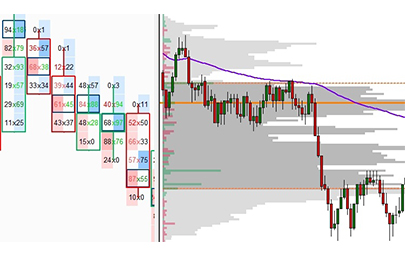 Day Trading with Volume Profile and Orderflow By Price Action Volume Trader
1 × $46,00
Day Trading with Volume Profile and Orderflow By Price Action Volume Trader
1 × $46,00 -
×
 Voodoo Masters Strategy ELITE By David Starr & Henry Gambell - Simpler Trading
1 × $23,00
Voodoo Masters Strategy ELITE By David Starr & Henry Gambell - Simpler Trading
1 × $23,00 -
×
 Secrets to Financial Success By John Demartini
1 × $46,00
Secrets to Financial Success By John Demartini
1 × $46,00 -
×
 Sacred Success Coaching Method By Eden Carpenter
1 × $139,00
Sacred Success Coaching Method By Eden Carpenter
1 × $139,00 -
×
 Activate Your Genius By Unlock Your Design Academy
1 × $39,00
Activate Your Genius By Unlock Your Design Academy
1 × $39,00 -
×
 Rocket Ship Buy - Short Signal By Gareth Soloway - InTheMoneyStocks
1 × $31,00
Rocket Ship Buy - Short Signal By Gareth Soloway - InTheMoneyStocks
1 × $31,00 -
×
 The Art of VFX & Graphics for Editors Complete Bundle By Film Editing Pro
1 × $31,00
The Art of VFX & Graphics for Editors Complete Bundle By Film Editing Pro
1 × $31,00 -
×
 E-Commerce Copywriting: The Key to Conversion By Carrie French
1 × $5,00
E-Commerce Copywriting: The Key to Conversion By Carrie French
1 × $5,00 -
×
 The Year of Manifestation By Shefali Tsabary
1 × $233,00
The Year of Manifestation By Shefali Tsabary
1 × $233,00 -
×
 Foundations of Western Civilization II: A History of the Modern Western World By Robert Bucholz
1 × $5,00
Foundations of Western Civilization II: A History of the Modern Western World By Robert Bucholz
1 × $5,00 -
×
 The Demartini Digital Library By John Demartini
1 × $233,00
The Demartini Digital Library By John Demartini
1 × $233,00 -
×
 Icebreaker ZERO - Personalize your Outreach at UNLIMITED Scale By Kevin Sozanski
1 × $46,00
Icebreaker ZERO - Personalize your Outreach at UNLIMITED Scale By Kevin Sozanski
1 × $46,00 -
×
 8D Lip Design eLearning Fillers Course By Tim Pearce
1 × $241,00
8D Lip Design eLearning Fillers Course By Tim Pearce
1 × $241,00 -
×
 Perfect Eye Contact II – She Looked Now What by Sean Messenger
1 × $5,00
Perfect Eye Contact II – She Looked Now What by Sean Messenger
1 × $5,00 -
×
 Mentoring Program Weekly Calls and Teleconference by Cory Skyy
1 × $5,00
Mentoring Program Weekly Calls and Teleconference by Cory Skyy
1 × $5,00 -
×
 Using Lightroom to Fix Bad Lighting By Matt Kloskowski
1 × $5,00
Using Lightroom to Fix Bad Lighting By Matt Kloskowski
1 × $5,00 -
×
 The Full Package 8 Courses By Inthemoneystocks
1 × $443,00
The Full Package 8 Courses By Inthemoneystocks
1 × $443,00 -
×
 Become a Professional Python Programmer Bundle By Stone River eLearning
1 × $78,00
Become a Professional Python Programmer Bundle By Stone River eLearning
1 × $78,00 -
×
 Books That Matter: The History of the Decline and Fall of the Roman Empire By Leo Damrosch
1 × $5,00
Books That Matter: The History of the Decline and Fall of the Roman Empire By Leo Damrosch
1 × $5,00 -
×
 Options Academy Elevate By Simon Ree - Tao of Trading
1 × $109,00
Options Academy Elevate By Simon Ree - Tao of Trading
1 × $109,00 -
×
 Four Elements Manifestation By Brian Osborne
1 × $124,00
Four Elements Manifestation By Brian Osborne
1 × $124,00 -
×
 Financial Modelling Course By Liam Bastick
1 × $124,00
Financial Modelling Course By Liam Bastick
1 × $124,00 -
×
 The Midyear Money Upgrade by Victoria Washington
1 × $22,00
The Midyear Money Upgrade by Victoria Washington
1 × $22,00 -
×
 Cloud Computing Concepts By Mike Robins
1 × $39,00
Cloud Computing Concepts By Mike Robins
1 × $39,00 -
×
 Speed Seduction Powerpack Gold Walkup By Ross Jeffries
1 × $23,00
Speed Seduction Powerpack Gold Walkup By Ross Jeffries
1 × $23,00 -
×
 Extended Stays for Landlords By Al Williamson
1 × $419,00
Extended Stays for Landlords By Al Williamson
1 × $419,00 -
×
 Square Secrets 7.1 By Paige Brunton
1 × $23,00
Square Secrets 7.1 By Paige Brunton
1 × $23,00 -
×
 Million Dollar Masterclass By Eileen Wilder
1 × $85,00
Million Dollar Masterclass By Eileen Wilder
1 × $85,00 -
×
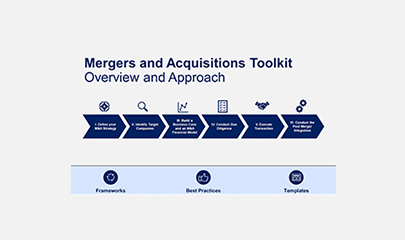 Mergers and Acquisitions Toolkit By Domont Consulting
1 × $23,00
Mergers and Acquisitions Toolkit By Domont Consulting
1 × $23,00 -
×
 Mobile Game Development with Unity 3D By Stone River eLearning
1 × $6,00
Mobile Game Development with Unity 3D By Stone River eLearning
1 × $6,00 -
×
 Advanced Primavera P6: Planning Construction Projects By Plan Academy
1 × $139,00
Advanced Primavera P6: Planning Construction Projects By Plan Academy
1 × $139,00 -
×
 Resonance Rituals 2023 By Cat Howell
1 × $39,00
Resonance Rituals 2023 By Cat Howell
1 × $39,00 -
×
 Master Moving Averages And Profit Multiplying Techniques By Nick Santiago And InTheMoneyStocks
1 × $54,00
Master Moving Averages And Profit Multiplying Techniques By Nick Santiago And InTheMoneyStocks
1 × $54,00 -
×
 Peoples and Cultures of the World By Edward Fischer
1 × $5,00
Peoples and Cultures of the World By Edward Fischer
1 × $5,00 -
×
 The Heart of Love - Audiobook By John Demartini
1 × $15,00
The Heart of Love - Audiobook By John Demartini
1 × $15,00 -
×
 Cultural Literacy for Religion: Everything the Well-Educated Person Should Know By Mark Berkson
1 × $5,00
Cultural Literacy for Religion: Everything the Well-Educated Person Should Know By Mark Berkson
1 × $5,00 -
×
 The SPY Beginners Flys And Calendars Deep Dive 2023 By Dan Sheridan And Sheridan Options Mentoring
1 × $31,00
The SPY Beginners Flys And Calendars Deep Dive 2023 By Dan Sheridan And Sheridan Options Mentoring
1 × $31,00



Psychoanalysis & Tibetan Buddhism: An Unfolding Partnership – Collection By Pilar Jennings
$23,00
Psychoanalysis and Tibetan Buddhism: An Unfolding Partnership – Digital Download!
Let’s embark on a captivating adventure to uncover remarkable insights that spark your curiosity and elevate your understanding

Psychoanalysis & Tibetan Buddhism: An Unfolding Partnership – Collection By Pilar Jennings
Overview
Psychoanalysis and Tibetan Buddhism: An Unfolding Partnership
Introduction
Psychoanalysis and Tibetan Buddhism may seem worlds apart at first glance, the former rooted in the tumultuous landscapes of the human psyche and the latter steeped in ancient spiritual traditions. However, the collection Psychoanalysis and Tibetan Buddhism: An Unfolding Partnership edited by Pilar Jennings beautifully illustrates the profound connections that can bridge the chasm between these two realms. Jennings, a skilled psychoanalyst and practitioner of Tibetan Buddhism, invites readers into a rich exploration that transcends conventional boundaries, offering illuminating insights that resonate deeply with the complexities of human experience. This dialogue is not simply an academic exercise; it is a deep and transformative journey that encourages a profound understanding of empathy, compassion, and self-awareness in both therapeutic and spiritual contexts. As we delve into the key themes of this collection, we uncover the nuanced ways in which these traditions can inform one another, challenging us to reevaluate our perceptions of healing, selfhood, and the essence of being.
The Intersection of Two Worlds
Bridging Psychoanalysis and Buddhism
At the crux of Jennings’ work is the bridging of two seemingly disparate fields: psychoanalysis, which delves into the intricate workings of the human mind, and Buddhism, a tradition that offers profound insights into the nature of existence and suffering. This intersection is analogous to two rivers converging, each adding depth and texture to the other as they flow toward a shared ocean of understanding. In the collection, Jennings and her contributors meticulously articulate how concepts such as empathy and compassion serve as vital conduits between these two worlds.
For instance, psychoanalytic theories often delve into the development of the self, shedding light on emotional patterns and cognitive behaviors. In contrast, Buddhist teachings advocate for the dissolution of the ego and the understanding of interconnectedness among all beings. When these teachings are interwoven, practitioners can gain a richer perspective on the healing process, merging psychological insight with spiritual wisdom. This collaboration fosters a holistic approach to understanding and addressing human suffering.
Themes and Emotional Resonance
The collection thoughtfully navigates several critical themes, including the nature of self, the role of compassion in therapeutic practices, and the dynamic interplay of psychological and spiritual growth. Jennings emphasizes that empathy is not merely a therapeutic technique but a deeply human quality that exemplifies the essence of both psychoanalysis and Buddhism. Through understanding one’s own vulnerabilities and strengths, practitioners can cultivate a space of safety and trust, allowing clients to explore their inner world without fear of judgment.
This emotional tapestry is woven throughout the contributions in the collection, highlighting the therapeutic value of Buddhist practices like mindfulness and meditation. These practices encourage individuals to develop self-awareness and cultivate compassion, not just for themselves but also for others. This duality enables practitioners to transcend what may otherwise become a transactional relationship of therapist and client, forging a genuine connection that fosters healing.
The Dynamics of Tradition and Modernity
Theoretical Underpinnings
One of the significant aspects of the collection lies in its exploration of how traditional Buddhist teachings can inform modern psychological theory. Jennings asserts that psychoanalysis can benefit greatly from a deeper understanding of the psychological dimensions of Buddhism. For example, concepts such as anatta (non-self) and dukkha (suffering) challenge conventional notions of selfhood prevalent in Western psychology.
Research has shown that integrating these Buddhist insights into psychological practices can enhance therapeutic outcomes. Studies conducted by various scholars have demonstrated that mindfulness practices reduce anxiety and depression while promoting emotional resilience. Thus, the collection not only critiques psychological concepts but also suggests innovative ways to reframe them through a Buddhist lens.
The Role of Empathy and Compassion
Furthermore, Jennings and her contributors skillfully highlight the significance of empathy and compassion as essential elements within this partnership. They argue that compassion is both a psychological and spiritual practice, essential for creating an environment conducive to healing. Unlike traditional Western frameworks that often emphasize detachment, the integration of Buddhist compassion encourages deeper engagement with clients’ experiences.
By approaching therapy through the lens of compassion, practitioners can foster a more profound understanding of their clients’ struggles. Research has supported the efficacy of compassion-based therapies, revealing improved emotional well-being and interpersonal relationships for clients. In this light, the collection serves as a profound invitation to rethink the contours of therapeutic practice, integrating emotional depth and spiritual awareness.
Practical Insights for Practitioners
Integration in Therapeutic Settings
For practitioners seeking to integrate the insights offered in the collection, several practical strategies emerge. First, incorporating mindfulness practices into therapy sessions can enhance the therapeutic alliance. This may involve beginning sessions with brief mindfulness exercises that ground both the therapist and the client, facilitating a more receptive emotional space.
Second, Jennings advocates for ongoing self-reflection among practitioners, emphasizing that the journey of healing is not linear but rather a complex interplay of emotions and experiences. Engaging in personal meditation or contemplative practice can cultivate resilience and enhance empathy, allowing therapists to resonate more profoundly with their clients.
Creating a Unified Approach
Another critical insight is the necessity of viewing therapeutic processes as an unfolding journey rather than a checklist of goals. The idea of continuous growth and learning aligns perfectly with both psychoanalytic thought and Buddhist teachings. By embracing this perspective, practitioners can cultivate an environment that encourages ongoing exploration, not just for their clients but for themselves as well.
A List of Practical Strategies
Here are some practical strategies derived from the themes in the collection:
- Incorporate Mindfulness: Start therapy sessions with a few minutes of mindfulness practice to create a calm, open space.
- Engage in Self-Reflection: Regularly practice self-reflection and meditation to enhance emotional resilience.
- Foster Compassion: Acknowledge and validate clients’ feelings, fostering an atmosphere of trust and understanding.
- Embrace Non-Linearity: Allow therapeutic processes to unfold organically, embracing the complexities of healing.
- Continuous Learning: Encourage ongoing education about both psychoanalytic and Buddhist principles to deepen understanding.
These strategies illustrate how the union of psychoanalysis and Tibetan Buddhism can offer a comprehensive toolkit for practitioners, enhancing both their effectiveness and fulfillment within their work.
Concluding Perspective
In conclusion, Pilar Jennings’ collection Psychoanalysis and Tibetan Buddhism: An Unfolding Partnership stands as a testament to the enriching possibilities that emerge at the intersection of two profound traditions. By skillfully weaving together psychological insights with spiritual wisdom, Jennings illuminates the shared themes of empathy and compassion that lie at the heart of both disciplines. This dynamic partnership challenges the boundaries of traditional therapeutic practices, inviting readers to consider how the insights offered by Buddhism can profoundly enhance psychoanalytic work.
As we navigate the complexities of modern human experience, such interdisciplinary dialogues are essential, fostering a deeper understanding of ourselves and each other. The collection reignites our commitment to explore both the psychological and spiritual dimensions of healing, urging practitioners and scholars alike to embark on a journey of discovery that transcends conventional frameworks. In doing so, it not only enriches our understanding of psychoanalysis and Buddhism but also offers a path toward a more compassionate and interconnected world.
Frequently Asked Questions:
Innovation in Business Models: We use a group purchase approach that enables users to split expenses and get discounted access to well-liked courses. Despite worries regarding distribution strategies from content creators, this strategy helps people with low incomes.
Legal Aspects to Take into Account: Our operations’ legality entails several intricate considerations. There are no explicit resale restrictions mentioned at the time of purchase, even though we do not have the course developers’ express consent to redistribute their content. This uncertainty gives us the chance to offer reasonably priced instructional materials.
Quality Control: We make certain that every course resource we buy is the exact same as what the authors themselves provide. It’s crucial to realize, nevertheless, that we are not authorized suppliers. Therefore, the following are not included in our offerings: – Live coaching sessions or calls with the course author.
– Entry to groups or portals that are only available to authors.
– Participation in closed forums.
– Straightforward email assistance from the writer or their group.
Our goal is to lower the barrier to education by providing these courses on our own, without the official channels’ premium services. We value your comprehension of our distinct methodology.
Be the first to review “Psychoanalysis & Tibetan Buddhism: An Unfolding Partnership – Collection By Pilar Jennings”
You must be logged in to post a review.
Related products
Psychology
$5,00

$5,00
Psychology
$233,00


$5,00

$8,00


$5,00


Psychology
$69,00

$46,00

$8,00


Psychology
$23,00

Reviews
There are no reviews yet.