
-
×
 Master of Connection By John Keegan
1 × $209,00
Master of Connection By John Keegan
1 × $209,00 -
×
 Fundamentals of Photography By John Greengo
1 × $5,00
Fundamentals of Photography By John Greengo
1 × $5,00 -
×
 Inside De la Riva by Christian Uflacker (Xaropinho)
1 × $6,00
Inside De la Riva by Christian Uflacker (Xaropinho)
1 × $6,00 -
×
 Master Lover 2023 - Secrets For Mystical Sexual Union By Tantra Garden
1 × $69,00
Master Lover 2023 - Secrets For Mystical Sexual Union By Tantra Garden
1 × $69,00 -
×
 FAST CLASS: Nature and Landscape Photography By John Greengo
1 × $5,00
FAST CLASS: Nature and Landscape Photography By John Greengo
1 × $5,00 -
×
 X-Guard by Rafael Costa
1 × $6,00
X-Guard by Rafael Costa
1 × $6,00 -
×
 Training Session - Guard position by Renzo Gracie
1 × $6,00
Training Session - Guard position by Renzo Gracie
1 × $6,00 -
×
 Thru-Hiking 101 + Wilderness First Aid Basics - Adventure U
1 × $54,00
Thru-Hiking 101 + Wilderness First Aid Basics - Adventure U
1 × $54,00 -
×
 Make Small Talk Sexy 2.0 by Bobby Rio
1 × $5,00
Make Small Talk Sexy 2.0 by Bobby Rio
1 × $5,00 -
×
 2 Girls Teach Sex Bundle By Bobby Bradshaw, Shawna Lenee And Tori Black
1 × $5,00
2 Girls Teach Sex Bundle By Bobby Bradshaw, Shawna Lenee And Tori Black
1 × $5,00 -
×
 MASTERS OF HYPNOSIS Course 2023 By David Mears
1 × $233,00
MASTERS OF HYPNOSIS Course 2023 By David Mears
1 × $233,00 -
×
 Infield Mastery Program By Matt Artisan
1 × $69,00
Infield Mastery Program By Matt Artisan
1 × $69,00 -
×
 The 3rd volume of the hugely successful 2GTS Program! - Sexual Mastery Club by 2 Girls Teach Sex
1 × $5,00
The 3rd volume of the hugely successful 2GTS Program! - Sexual Mastery Club by 2 Girls Teach Sex
1 × $5,00 -
×
 Sexual Magnetism Course By Charisma School
1 × $39,00
Sexual Magnetism Course By Charisma School
1 × $39,00 -
×
 Limitless 2.0 (Week 1 – 5) by David Tian
1 × $5,00
Limitless 2.0 (Week 1 – 5) by David Tian
1 × $5,00 -
×
 The Daisy Fresh Curriculum - White Belt Bundle By Heath Pedigo
1 × $93,00
The Daisy Fresh Curriculum - White Belt Bundle By Heath Pedigo
1 × $93,00 -
×
 Travel Photography By John Greengo
1 × $5,00
Travel Photography By John Greengo
1 × $5,00 -
×
 Super Shoulders By Got Rom
1 × $23,00
Super Shoulders By Got Rom
1 × $23,00 -
×
 OLP - Chiropractic Mastery By John Demartini
1 × $46,00
OLP - Chiropractic Mastery By John Demartini
1 × $46,00 -
×
 Intermediate Herbal Course By The Herbal Academy
1 × $62,00
Intermediate Herbal Course By The Herbal Academy
1 × $62,00 -
×
 AI NSFW Mastery - Unlock the Secrets of AI Porn! By Only AI
1 × $23,00
AI NSFW Mastery - Unlock the Secrets of AI Porn! By Only AI
1 × $23,00 -
×
 Spinal Neigong - The Inner Workings of Stability and Fluidity 2022 By Bruce Frantzis - Energy Arts
1 × $54,00
Spinal Neigong - The Inner Workings of Stability and Fluidity 2022 By Bruce Frantzis - Energy Arts
1 × $54,00 -
×
 Master Class in Deep Brain Reorienting By Frank Corrigan - PESI
1 × $46,00
Master Class in Deep Brain Reorienting By Frank Corrigan - PESI
1 × $46,00 -
×
 Remote Healing Mastery By Christof Melchizedek - Neo Shamanic Society
1 × $46,00
Remote Healing Mastery By Christof Melchizedek - Neo Shamanic Society
1 × $46,00 -
×
 Speed Seduction Powerpack Gold Walkup By Ross Jeffries
1 × $23,00
Speed Seduction Powerpack Gold Walkup By Ross Jeffries
1 × $23,00 -
×
 Semen Retention Mastery By Taylor Johnson
1 × $23,00
Semen Retention Mastery By Taylor Johnson
1 × $23,00 -
×
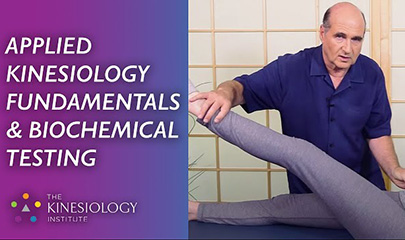 Applied Kinesiology Fundamentals Online Course By John Maguire
1 × $78,00
Applied Kinesiology Fundamentals Online Course By John Maguire
1 × $78,00 -
×
 LinkedIn Dominance By Steve Rosenbaum
1 × $69,00
LinkedIn Dominance By Steve Rosenbaum
1 × $69,00 -
×
 Business by Design: Mystery By Unlock Your Design Academy
1 × $23,00
Business by Design: Mystery By Unlock Your Design Academy
1 × $23,00 -
×
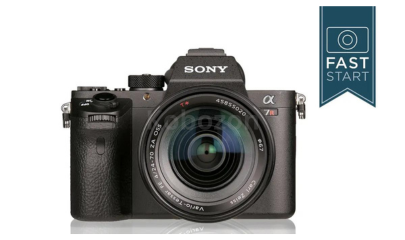 Sony A7r III Fast Start By John Greengo
1 × $5,00
Sony A7r III Fast Start By John Greengo
1 × $5,00 -
×
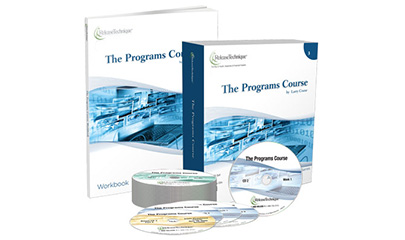 The Programs Course By Larry Crane - Release Technique
1 × $46,00
The Programs Course By Larry Crane - Release Technique
1 × $46,00 -
×
 Five Element Healing Movements By Spring Forest Qigong
1 × $31,00
Five Element Healing Movements By Spring Forest Qigong
1 × $31,00 -
×
 AMN Practitioner – Level 1 Certification By David Fleming, John Campione And Dillon Walker
1 × $139,00
AMN Practitioner – Level 1 Certification By David Fleming, John Campione And Dillon Walker
1 × $139,00 -
×
 12 Week Spine Mobility Upgrade By Nat Viranond
1 × $62,00
12 Week Spine Mobility Upgrade By Nat Viranond
1 × $62,00 -
×
 Moon Manifestation System Coaching CERTIFICATION By Carl Stevens
1 × $171,00
Moon Manifestation System Coaching CERTIFICATION By Carl Stevens
1 × $171,00 -
×
 The Frozen Shoulder Program By Got Rom
1 × $23,00
The Frozen Shoulder Program By Got Rom
1 × $23,00 -
×
 Lifestyle Training Series by Cory Skyy
1 × $5,00
Lifestyle Training Series by Cory Skyy
1 × $5,00 -
×
 The Complete Course of Ayurveda 3.0 By Jai Dev Singh - Life Force Academy
1 × $148,00
The Complete Course of Ayurveda 3.0 By Jai Dev Singh - Life Force Academy
1 × $148,00 -
×
 4 Product Bundle By Allie Bloyd
1 × $39,00
4 Product Bundle By Allie Bloyd
1 × $39,00 -
×
 Hip And Knee 2022: Complex Understanding for Simple Solutions By Erik Meira
1 × $139,00
Hip And Knee 2022: Complex Understanding for Simple Solutions By Erik Meira
1 × $139,00 -
×
 Brand Authority Profits By Dan Henry
1 × $39,00
Brand Authority Profits By Dan Henry
1 × $39,00



Assessment of the Lumbar Spine By David Magee
$15,00
Review of Assessment of the Lumbar Spine by David Magee – Immediate Download!
Let’s embark on a captivating adventure to uncover remarkable insights that spark your curiosity and elevate your understanding
Assessment of the Lumbar Spine By David Magee
Overview
Review of Assessment of the Lumbar Spine by David Magee
Examining the lumbar spine can often feel akin to navigating a complex maze, with numerous pathways leading to various diagnoses and treatment plans. In his influential work “Orthopedic Physical Assessment,” David Magee provides an extensive manual that serves as a compass for practitioners, guiding them through the multifaceted nature of lumbar spine assessments. Magee utilizes a systematic, evidence-based approach, making his work not only indispensable for students but also a robust reference for seasoned professionals. By blending rich, illustrative content with practical case studies, Magee underscores the importance of thorough assessments in addressing lumbar spine pathologies. This article will delve into the key features of Magee’s work, providing insight into how they enhance clinical practice.
Comprehensive Content
One of the most compelling aspects of Magee’s examination of the lumbar spine is the comprehensive content it offers. The book is designed meticulously to ensure that practitioners have detailed instructions on conducting assessments, which is crucial for accurate diagnosis. Magee understands that the lumbar region can often be a source of vexation, rife with complexities that can lead to misdiagnosis if not approached with depth and precision.
The text encompasses a variety of special tests that are tailored specifically for lumbar assessment, ensuring that readers can differentiate between various pathologies. For instance, Magee discusses tests for identifying conditions such as herniated discs, sciatica, and spinal stenosis, each with distinct symptoms and treatment protocols. These assessments are vital for gaining a clearer understanding of a patient’s unique condition, as the lumbar spine’s anatomy can often obscure the underlying issues.
Furthermore, the detailed explanations make it easier for practitioners to implement these assessments in their clinical practice. By breaking down complex techniques into digestible steps, Magee helps demystify the process of lumbar spine evaluation. The clarity provided is akin to pulling back the curtains on a darkened room, allowing practitioners to see the intricacies of spinal conditions more clearly.
Illustrative Support
In the realm of physical therapy and orthopedic assessments, a picture is indeed worth a thousand words. Magee leverages over 2,500 color illustrations and photographs to clarify complex assessment techniques related to the lumbar spine. This illustrative support not only enhances understanding but also aids in the retention of information. The images act as visual anchors, allowing practitioners to reimagine and retain critical assessment methods.
These visual aids are particularly beneficial for new practitioners who may find some assessment techniques intimidating or challenging to recall. The integration of illustrations serves as a bridge between theory and practice, transforming abstract concepts into concrete, replicable skills. By contextualizing each assessment within the frames of visual representation, Magee ensures that readers can effortlessly navigate the technicalities of lumbar spine assessments.
Moreover, many educators adhere to the philosophy that understanding anatomy through illustrations is paramount. Therefore, Magee’s extensive use of imagery not only supports his educational approach but also aligns with best practices in physical therapy education, making his work a valuable resource both in academic and clinical settings.
Differential Diagnosis
Another key feature of Magee’s work is its emphasis on differential diagnosis. In assessing the lumbar spine, identifying the correct pathology is critical, as symptoms can often overlap between different conditions. Magee’s integration of differential diagnoses discussions equips practitioners with the necessary tools to assess patient conditions accurately, thereby ensuring that treatment approaches are both effective and tailored.
For instance, when evaluating chronic low back pain, Magee encourages practitioners to consider multiple potential diagnoses, such as muscle strain, ligament injury, or disc herniation. His systematic approach provides a flowchart-like framework, allowing practitioners to traverse through various possibilities before arriving at a conclusion.
This aspect of Magee’s assessment is particularly beneficial in a clinical context where time is often limited yet decisions must be made promptly. By offering concise summaries of conditions along with their indicative signs, Magee simplifies the process of differential diagnosis, ensuring that practitioners are not left guessing when confronted with complex patient presentations.
Practical Case Studies
Practical case studies form another cornerstone of Magee’s assessment framework, providing a platform where theory and practice intersect. Through real-life scenarios, Magee allows readers to apply their learned knowledge in contexts that mirror clinical experiences, enhancing the learning process in a meaningful way. These examples serve as a powerful reminder that behind every assessment lies an individual with unique experiences and symptoms.
In following case studies, practitioners are presented with patient histories that detail varying symptoms and treatment pathways, leading them to make informed decisions based on the content and assessments outlined earlier in the text. This narrative approach brings a profound sense of realism to the symmetrical world of assessments, bridging the often stark gap between textbook learning and clinical application.
Additionally, these case studies prompt reflective thinking, urging practitioners to evaluate not only their decision-making process but also their rationale for specific assessments and diagnoses. This introspective layer enriches the learning experience, fostering a deeper understanding of assessment techniques and their implications for patient care.
Chapter Organization
The chapter organization within Magee’s work further enhances its accessibility and effectiveness. Each chapter is structured to include comprehensive assessments steps, along with rationales for selected techniques. This organization facilitates quick reference, enabling both students and experienced practitioners to locate pertinent information swiftly.
The logical flow from basic concepts to complex techniques allows for incremental learning, which is particularly beneficial in educational environments. The summaries provided at the end of each chapter act as a valuable review tool, reinforcing the materials covered and enabling practitioners to consolidate their knowledge before moving on to more advanced topics.
In classrooms or workshops, this chapter structure allows for adaptability in teaching methodologies. Educators can focus more acutely on specific areas of interest or concern, leading to a customized learning experience that caters to differing student needs.
Recent Updates
Magee’s “Orthopedic Physical Assessment” notably incorporates recent updates in the latest edition, reflecting the dynamic evolution of evidence-based practice in physical therapy. This commitment to staying current is essential, as new research continues to reshape our understanding of the lumbar spine and its associated conditions. The book includes updated reliability and validity tables, which are crucial for practitioners aiming to validate their assessment techniques.
Among the new content introduced are insights into concussion management, bridging the gap between sports medicine and orthopedic evaluations. This cross-disciplinary approach signifies Magee’s awareness of the interconnectivity of bodily systems, and it prepares practitioners to consider a holistic view when assessing lumbar conditions.
Incorporating advancements in technology and methodology, Magee’s work addresses modern challenges faced by clinicians today. Practitioners will find the latest evidence compelling and applicable, fostering confidence in their assessment strategies.
Conclusion
David Magee’s “Orthopedic Physical Assessment” stands as a monumental contribution to the field of physical therapy and orthopedic assessment. Through a comprehensive examination of the lumbar spine, he marries theoretical knowledge with practical application, guiding practitioners through the complexity of lumbar conditions with ease. From its meticulous detailing of assessment techniques to the rich illustrative support and insightful case studies, Magee’s work is more than just a textbook; it is a trusted companion for those dedicated to the art and science of patient care. As the landscape of orthopedic assessment evolves, Magee’s work remains a crucial resource for practitioners striving to enhance their skills and provide optimal care for their patients.
Frequently Asked Questions:
Innovation in Business Models: We use a group purchase approach that enables users to split expenses and get discounted access to well-liked courses. Despite worries regarding distribution strategies from content creators, this strategy helps people with low incomes.
Legal Aspects to Take into Account: Our operations’ legality entails several intricate considerations. There are no explicit resale restrictions mentioned at the time of purchase, even though we do not have the course developers’ express consent to redistribute their content. This uncertainty gives us the chance to offer reasonably priced instructional materials.
Quality Control: We make certain that every course resource we buy is the exact same as what the authors themselves provide. It’s crucial to realize, nevertheless, that we are not authorized suppliers. Therefore, the following are not included in our offerings: – Live coaching sessions or calls with the course author.
– Entry to groups or portals that are only available to authors.
– Participation in closed forums.
– Straightforward email assistance from the writer or their group.
Our goal is to lower the barrier to education by providing these courses on our own, without the official channels’ premium services. We value your comprehension of our distinct methodology.
Be the first to review “Assessment of the Lumbar Spine By David Magee”
You must be logged in to post a review.
Related products

$248,00
$23,00

$85,00
$23,00

$31,00

$78,00

$148,00
$31,00



$132,00

$132,00

Reviews
There are no reviews yet.