
-
×
 Professional Python Web Development with Flask By Stone River eLearning
1 × $6,00
Professional Python Web Development with Flask By Stone River eLearning
1 × $6,00 -
×
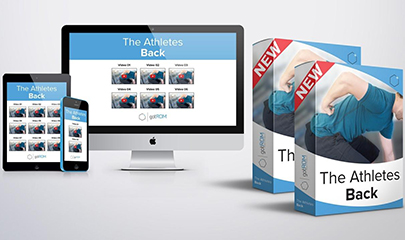 The Athletes Back Program By Got Rom
1 × $23,00
The Athletes Back Program By Got Rom
1 × $23,00 -
×
 Price Action Stock Day Trading Course By Trade That Swing
1 × $62,00
Price Action Stock Day Trading Course By Trade That Swing
1 × $62,00 -
×
 Create a Knockout Graphic Design Portfolio By Ram Castillo
1 × $5,00
Create a Knockout Graphic Design Portfolio By Ram Castillo
1 × $5,00 -
×
 CFI Self-Study (All Courses) By CFI Education
1 × $124,00
CFI Self-Study (All Courses) By CFI Education
1 × $124,00 -
×
 Intro To The Dla Internet Bid Board System (Dibbs) By Sirena Thomas
1 × $622,00
Intro To The Dla Internet Bid Board System (Dibbs) By Sirena Thomas
1 × $622,00 -
×
 Master of Connection By John Keegan
1 × $209,00
Master of Connection By John Keegan
1 × $209,00 -
×
 MovNat Level 1 Fundamentals By Danny Clark And Stefano Tripney - MovNat
1 × $78,00
MovNat Level 1 Fundamentals By Danny Clark And Stefano Tripney - MovNat
1 × $78,00 -
×
 Grow Your Socials And Create With Confidence By Jenay Rose
1 × $148,00
Grow Your Socials And Create With Confidence By Jenay Rose
1 × $148,00 -
×
 Human Design Business Kickstart Bundle 2024 By Becca Francis
1 × $78,00
Human Design Business Kickstart Bundle 2024 By Becca Francis
1 × $78,00 -
×
 Wealth Academy By Brian Rose
1 × $23,00
Wealth Academy By Brian Rose
1 × $23,00 -
×
 Black Ops Underground Hypnosis by Taylor Starr
1 × $5,00
Black Ops Underground Hypnosis by Taylor Starr
1 × $5,00 -
×
 Twitter Badassery By Tim Denning
1 × $5,00
Twitter Badassery By Tim Denning
1 × $5,00 -
×
 Master The Milton Model By Michael Breen - NLP Times
1 × $132,00
Master The Milton Model By Michael Breen - NLP Times
1 × $132,00 -
×
 The Federal Code Government Contracting By Jason White
1 × $23,00
The Federal Code Government Contracting By Jason White
1 × $23,00 -
×
 Conscious Cashflow Triad By Jesse Elder
1 × $101,00
Conscious Cashflow Triad By Jesse Elder
1 × $101,00



Become An Inclusive Presenter By Kimberly MacLean & Sammy Wegent
$5,00
Become an inclusive presenter: A comprehensive review – Digital Download!
Let’s embark on a captivating adventure to uncover remarkable insights that spark your curiosity and elevate your understanding
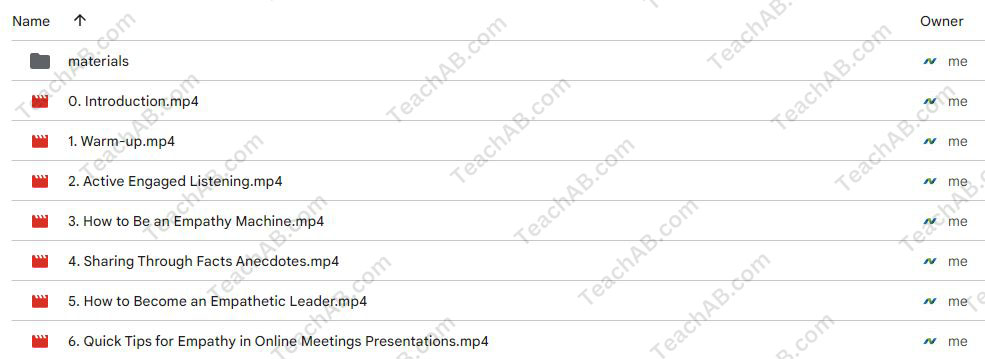
Become An Inclusive Presenter By Kimberly MacLean & Sammy Wegent
Overview
Become an inclusive presenter: A comprehensive review
In today’s diverse world, effective communication transcends mere words. It is an art that intertwines the ability to speak with clarity while mastering the subtleties of listening and connection. The course “Become an Inclusive Presenter,” led by Kimberly MacLean and Sammy Wegent, offers valuable insights into this art. It emphasizes the need for a compelling mix of empathy, active engagement, and adaptability during presentations. Whether in a meeting room, conference, or digital gathering, the principles taught in this program can reshape how individuals connect with their audiences. By championing inclusivity, this course not only seeks to enhance presentation skills but also fosters an environment where every participant feels embraced and valued.
The essence of inclusive presenting
At the core of inclusive presenting lies the understanding that communication is a two-way street. It’s not just about being a proficient speaker; it also involves being an attentive listener. During the course, participants are encouraged to adopt a listening mindset, mirroring the approach of a good dialogue rather than a monologue. This concept can be likened to a dance, where both partners contribute and react to each other’s movements.
One of the striking aspects of the course is its emphasis on empathy as a foundational element of communication. In a world often characterized by haste and distraction, empathetic listening becomes an antidote that enriches interactions. Research has shown that empathetic leaders tend to foster more engaged teams, ultimately leading to better outcomes. For instance, a study by the Center for Creative Leadership revealed that leaders who prioritize empathy are more likely to inspire innovative ideas and enhance employee satisfaction. This clearly delineates how becoming an inclusive presenter aligns not only with personal growth but also with organizational success.
Through various modules, the course illuminates practical techniques that presenters can employ. Making affirmative eye contact, utilizing appropriate facial expressions, and employing deliberate body language are all crucial strategies highlighted in the curriculum. These non-verbal cues serve as beacons of engagement and openness, allowing audiences to feel seen and heard. In contrast to traditional, rigid presentation styles, this focus on inclusivity transforms the typical dynamic into a collaborative exchange similar to a vibrant conversation in a friendly café, where every voice contributes to the rich tapestry of dialogue.
Active listening: The heart of engagement
An integral part of the “Become an Inclusive Presenter” course is the practice of active engaged listening. This technique encourages presenters to immerse themselves in the audience’s responses, both verbal and non-verbal. Unlike passive listening, where information is merely received, active listening requires an intentional effort to comprehend and connect. This element of the course fosters deeper interactions and encourages a culture of respect and understanding.
To illustrate the power of active listening, consider the following scenario: imagine a presenter who not only delivers their material but also surveys their audience for reactions. They notice a nod of agreement from one participant, a furrowed brow from another, and a smile from yet another. By acknowledging these non-verbal cues, the presenter can adjust their delivery on the spot, perhaps inviting questions or clarifications from those looking confused while expanding on points that resonate with others. This flexibility demonstrates a commitment to inclusivity, as it values every audience member’s emotional and intellectual contributions.
Additionally, the course provides strategies for conducting inclusive meetings and presentations. This includes creating a collaborative atmosphere where everyone’s voice is amplified. By utilizing technology, such as interactive polling, breakout rooms in virtual settings, and fostering an open floor for dialogue, presenters can ensure all participants feel empowered to share their thoughts and insights.
Key strategies for active listening:
- Maintain eye contact to show attentiveness.
- Use nodding and facial expressions to convey understanding.
- Paraphrase what the audience says to confirm comprehension.
- Ask open-ended questions to encourage further dialogue.
Body language: The unspoken communicator
“Body language speaks louder than words” this age-old adage takes center stage in the inclusive presentation paradigm. The course underscores the significance of using body language to communicate warmth and approachability. Through practiced gestures and an open posture, presenters can create an atmosphere conducive to engagement.
Learning how to use body language effectively can often be the difference between a presentation that falls flat and one that resonates deeply. For instance, presenters are encouraged to stand confidently, using their hands to emphasize points naturally, creating a visual rhythm that supports their spoken message. This approach can be compared to a musical performance; when conducted well, the interplay of verbal and non-verbal communications forms a harmonic experience for the audience.
Moreover, the curriculum teaches the importance of adapting body language according to the audience’s background and cultural context. Different cultures have varying interpretations of gestures and body positioning, making this awareness crucial. A presenter who approaches their audience with sensitivity and adaptability showcases a profound respect for diversity, which is a core tenet of inclusion.
Effective body language techniques:
- Open stance: Avoid crossing arms; instead, present an open posture to invite interaction.
- Gestures: Use hand movements to emphasize points but avoid excessive movement, which can distract.
- Facial expressions: Align your expressions with your message to convey genuine emotions.
Personal narratives: The power of storytelling
Incorporating personal narratives into presentations is yet another compelling strategy highlighted in “Become an Inclusive Presenter.” Engaging storytelling has the power to humanize complex topics, drawing audiences in and creating emotional connections. This concept resembles the timeless tradition of storytelling around a campfire, where each tale not only entertains but also evokes a sense of shared experience and understanding.
The course encourages participants to identify and share relevant personal stories that resonate with their material. This technique not only makes the content more relatable but also sets a tone of vulnerability and openness. Audiences are more likely to engage and respond positively when they feel a personal connection to the speaker. Furthermore, storytelling allows presenters to illustrate key points in a manner that is often easier to digest than abstract concepts or data.
For instance, a presenter discussing the impact of collaborative leadership might share their experience of overcoming challenges with a diverse team, highlighting moments of breakthrough that were only possible through effective communication. This narrative approach engages the audience on multiple levels, evoking emotion while illustrating core themes of the presentation.
Benefits of personal storytelling:
- Enhances engagement by making topics relatable.
- Fosters emotional connections, leading to heightened empathy.
- Encourages vulnerability, which promotes an inclusive atmosphere.
Adapting to different audience needs
In an era increasingly dominated by digital distractions, the course emphasizes the importance of adaptability in addressing different audience needs. Presenters must recognize that each audience comprises individuals with unique backgrounds, learning styles, and preferences. By acknowledging this diversity, presenters can tailor their approaches, making their messages resonate more deeply.
One technique frequently discussed in the course is the practice of gathering audience feedback prior to the presentation. This may include using pre-event surveys or informal discussions to gauge participant interests and expectations. By surveying the audience, presenters can adjust their material in real-time, ensuring they meet the needs and concerns of the group effectively. This approach exemplifies the essence of inclusivity caring enough about the audience to adjust one’s delivery accordingly.
Furthermore, the course highlights the necessity of including various modalities in presentations, such as visual aids, interactive sessions, and multimedia elements. This not only enriches the learning experience but also caters to different learning preferences. For instance, visual learners may benefit from charts and graphs, while auditory learners thrive on discussion and dialogue. By creating a multi-faceted presentation, inclusivity and engagement are enhanced.
Techniques for adapting to audience needs:
- Conduct pre-event surveys to gather insights on audience expectations.
- Incorporate a variety of presentation modalities (visuals, discussions, interactive elements).
- Foster an environment where audience feedback is welcomed during the presentation.
The digital age: Navigating online engagements
As communication increasingly shifts to virtual formats, “Become an Inclusive Presenter” provides crucial insights into adapting inclusivity methods for online interactions. Engaging an audience through a screen poses unique challenges, yet it also presents opportunities for creativity and connectivity. This module of the course equips participants to navigate the digital landscape with poise and effectiveness.
One fundamental aspect taught is the importance of creating visually engaging digital content. Participants learn how to design slides that are not only informative but also visually appealing, maintaining audience interest while conveying essential information. Furthermore, presenters are urged to engage with participants actively. Techniques like using breakout rooms, polls, and chat functionalities can make virtual gatherings feel less isolating and more participative.
Another key point raised is the necessity of being aware of non-verbal cues in a virtual setting. While online presentations can often feel detached, being attuned to participants’ expressions and reactions remains essential. Encouraging the use of cameras during video conferences can help create a feeling of connection. Presenters should also be mindful of the pace and tone of their voice, making conscious adjustments to maintain engagement.
Strategies for online engagement:
- Use visual aids and appealing slide designs to capture attention.
- Implement polls and breakout rooms for interactive participation.
- Stay attuned to non-verbal cues through video interactions.
Conclusion
“Become an Inclusive Presenter” is more than just a course; it is a transformative journey that empowers individuals to refine their presentation skills while fostering an inclusive environment wherever they engage. By integrating techniques of empathetic listening, effective body language, personal storytelling, and adaptability, participants learn how to connect deeply with their audiences. In a world where digital distractions abound, the significance of inclusivity and engagement grows ever more critical. This course stands as a beacon for anyone eager to make a meaningful impact in their professional interactions, ensuring that every voice is honored, understood, and valued. Applying the lessons learned from this program can lead to profound changes not only in the presenters themselves but also in the collective experience of every audience they encounter.
Frequently Asked Questions:
Innovation in Business Models: We use a group purchase approach that enables users to split expenses and get discounted access to well-liked courses. Despite worries regarding distribution strategies from content creators, this strategy helps people with low incomes.
Legal Aspects to Take into Account: Our operations’ legality entails several intricate considerations. There are no explicit resale restrictions mentioned at the time of purchase, even though we do not have the course developers’ express consent to redistribute their content. This uncertainty gives us the chance to offer reasonably priced instructional materials.
Quality Control: We make certain that every course resource we buy is the exact same as what the authors themselves provide. It’s crucial to realize, nevertheless, that we are not authorized suppliers. Therefore, the following are not included in our offerings: – Live coaching sessions or calls with the course author.
– Entry to groups or portals that are only available to authors.
– Participation in closed forums.
– Straightforward email assistance from the writer or their group.
Our goal is to lower the barrier to education by providing these courses on our own, without the official channels’ premium services. We value your comprehension of our distinct methodology.
Be the first to review “Become An Inclusive Presenter By Kimberly MacLean & Sammy Wegent”
You must be logged in to post a review.
Related products
Personal Development
$101,00
Personal Development
$85,00

Personal Development
$23,00

Personal Development
$31,00
Personal Development
The Performance Stretch System Level 1 By The Stretch Therapists
$139,00
Personal Development
$31,00


Personal Development
$54,00
Personal Development
The Others Within Us – Unattached Burdens and Guides in IFS Therapy By Robert Falconer
$69,00

Personal Development
Persuasion In Action Total Immersion Video Footage Collection By Ross Jeffries
$50,00

Personal Development
Online – The Demartini Values Training Program – USA 2020 (Videos Only) By Dr John Demartini
$622,00
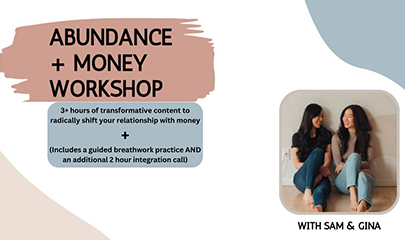
Personal Development
Abundance And Money Workshop Replay By Samantha Chung & Gina Bourne
$46,00
Personal Development
$544,00

Personal Development
$23,00
Personal Development
$31,00

Reviews
There are no reviews yet.