
-
×
 7 Powers Package By John Demartini
1 × $31,00
7 Powers Package By John Demartini
1 × $31,00 -
×
 Master Face Reading Program By Lillian Pearl Bridges
1 × $544,00
Master Face Reading Program By Lillian Pearl Bridges
1 × $544,00 -
×
 Pleasure Principles By Nadine Lee
1 × $69,00
Pleasure Principles By Nadine Lee
1 × $69,00 -
×
 Business by Design: Fuel By Unlock Your Design Academy
1 × $23,00
Business by Design: Fuel By Unlock Your Design Academy
1 × $23,00 -
×
 The Vert Code Elite By PJF Performance
1 × $23,00
The Vert Code Elite By PJF Performance
1 × $23,00 -
×
 Fengshui For Real Estate 2022 From Marie Diamond
1 × $39,00
Fengshui For Real Estate 2022 From Marie Diamond
1 × $39,00 -
×
 The Performance Stretch System Level 1 By The Stretch Therapists
1 × $139,00
The Performance Stretch System Level 1 By The Stretch Therapists
1 × $139,00 -
×
 Complete Submission Mastermind By Veronika
1 × $194,00
Complete Submission Mastermind By Veronika
1 × $194,00 -
×
 The Launchpad Program By Dean Graziosi And Tony Robbins
1 × $23,00
The Launchpad Program By Dean Graziosi And Tony Robbins
1 × $23,00 -
×
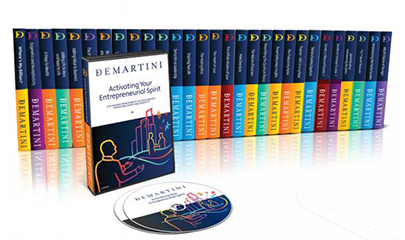 The Demartini Digital Library By John Demartini
1 × $233,00
The Demartini Digital Library By John Demartini
1 × $233,00 -
×
 Orgasmic, Tantric And Erotic Hypnosis By David Mears
1 × $163,00
Orgasmic, Tantric And Erotic Hypnosis By David Mears
1 × $163,00 -
×
 On-Screen Authority: The Online Course By Jason Belisha - On-Screen Authority
1 × $23,00
On-Screen Authority: The Online Course By Jason Belisha - On-Screen Authority
1 × $23,00 -
×
 Daygame Mastery - Mastery Package By Justin Marc
1 × $179,00
Daygame Mastery - Mastery Package By Justin Marc
1 × $179,00 -
×
 The Front Split Video Course By The Flexibility Guy - Coach Elia
1 × $23,00
The Front Split Video Course By The Flexibility Guy - Coach Elia
1 × $23,00 -
×
 Bank and Financial Institution Modeling Course (Bank – FIG Modeling) By Matan Feldman - Wall Street Prep
1 × $69,00
Bank and Financial Institution Modeling Course (Bank – FIG Modeling) By Matan Feldman - Wall Street Prep
1 × $69,00 -
×
 DS4B 102-R: Shiny Dashboards By Matt Dancho
1 × $39,00
DS4B 102-R: Shiny Dashboards By Matt Dancho
1 × $39,00 -
×
 The Accelerated MTR Blueprint Masterclass 2023 By Jesse Vasquez
1 × $699,00
The Accelerated MTR Blueprint Masterclass 2023 By Jesse Vasquez
1 × $699,00 -
×
 Quantum Awakening By Roy Martina
1 × $124,00
Quantum Awakening By Roy Martina
1 × $124,00 -
×
 Weightless Wealth By Elisa Canali
1 × $31,00
Weightless Wealth By Elisa Canali
1 × $31,00 -
×
 Ancestral Hypnosis Healing By Vanessa Codorniu
1 × $46,00
Ancestral Hypnosis Healing By Vanessa Codorniu
1 × $46,00 -
×
 Fitness Business Essentials Bundle By Carroll Performance
1 × $458,00
Fitness Business Essentials Bundle By Carroll Performance
1 × $458,00 -
×
 Portfolio Investing By Ron Bertino
1 × $54,00
Portfolio Investing By Ron Bertino
1 × $54,00 -
×
 Human Design Business Kickstart Bundle 2024 By Becca Francis
1 × $78,00
Human Design Business Kickstart Bundle 2024 By Becca Francis
1 × $78,00 -
×
 Master The Bedroom Program By Apollonia Ponti
1 × $31,00
Master The Bedroom Program By Apollonia Ponti
1 × $31,00 -
×
 Stock Market Investing for Financial Independence & Retiring Early (FIRE) By Amon & Christina Browning
1 × $5,00
Stock Market Investing for Financial Independence & Retiring Early (FIRE) By Amon & Christina Browning
1 × $5,00 -
×
 The Great Tours: Ireland and Northern Ireland By Marc Conner
1 × $5,00
The Great Tours: Ireland and Northern Ireland By Marc Conner
1 × $5,00 -
×
 How To Write The Perfect Email By Justin Kerr
1 × $5,00
How To Write The Perfect Email By Justin Kerr
1 × $5,00 -
×
 Foundations of Programming By Reactive Training Systems
1 × $69,00
Foundations of Programming By Reactive Training Systems
1 × $69,00 -
×
 6 Steps to Great Leadership (Videos Only) By John Demartini
1 × $54,00
6 Steps to Great Leadership (Videos Only) By John Demartini
1 × $54,00 -
×
 Engaging the Rhythm of Regulation: Polyvagal Theory in Therapy By Rhythm of Regulation Online
1 × $101,00
Engaging the Rhythm of Regulation: Polyvagal Theory in Therapy By Rhythm of Regulation Online
1 × $101,00 -
×
 AI NSFW Mastery - Unlock the Secrets of AI Porn! By Only AI
1 × $23,00
AI NSFW Mastery - Unlock the Secrets of AI Porn! By Only AI
1 × $23,00 -
×
 The Affluence Blueprint By Mel Abraham
1 × $31,00
The Affluence Blueprint By Mel Abraham
1 × $31,00 -
×
 Isle of Skye Rivers Lakes Streams and Falls Composite Stock Assets by Clinton Lofthouse
1 × $8,00
Isle of Skye Rivers Lakes Streams and Falls Composite Stock Assets by Clinton Lofthouse
1 × $8,00 -
×
 Brimham Rocks Composite Stock Assets by Clinton Lofthouse
1 × $8,00
Brimham Rocks Composite Stock Assets by Clinton Lofthouse
1 × $8,00 -
×
 Online - The Demartini Values Training Program - USA 2020 (Videos Only) By Dr John Demartini
1 × $622,00
Online - The Demartini Values Training Program - USA 2020 (Videos Only) By Dr John Demartini
1 × $622,00 -
×
 Review 01 by Renzo Gracie
1 × $6,00
Review 01 by Renzo Gracie
1 × $6,00 -
×
 SATYA 3 - Online Immersion - March 2023 By Tias Little
1 × $225,00
SATYA 3 - Online Immersion - March 2023 By Tias Little
1 × $225,00 -
×
 Core Financial Modeling 2024 By Breaking Into Wall Street
1 × $69,00
Core Financial Modeling 2024 By Breaking Into Wall Street
1 × $69,00 -
×
 The Complete Jiu Jitsu Collection By Roy Dean Academy
1 × $171,00
The Complete Jiu Jitsu Collection By Roy Dean Academy
1 × $171,00 -
×
 Creative Strategy Master Course By Nicole Crowell
1 × $54,00
Creative Strategy Master Course By Nicole Crowell
1 × $54,00 -
×
 Product Marketing Certified Core By Product Marketing Alliance
1 × $272,00
Product Marketing Certified Core By Product Marketing Alliance
1 × $272,00 -
×
 Dave Mac's Push Ads Course By Dave Mac
1 × $31,00
Dave Mac's Push Ads Course By Dave Mac
1 × $31,00 -
×
 Owner Finance And Buying
1 × $62,00
Owner Finance And Buying
1 × $62,00 -
×
 Scrapbooking Your Baby First Year By Nicole Samuels
1 × $5,00
Scrapbooking Your Baby First Year By Nicole Samuels
1 × $5,00 -
×
 Gifts of Gaia By Randi Lee
1 × $54,00
Gifts of Gaia By Randi Lee
1 × $54,00 -
×
 Your Road to Roam By RJ Nestor
1 × $31,00
Your Road to Roam By RJ Nestor
1 × $31,00 -
×
 The World Was Never the Same: Events That Changed History By Rufus Fears
1 × $5,00
The World Was Never the Same: Events That Changed History By Rufus Fears
1 × $5,00 -
×
 The Everyday Gourmet: Making Great Meals in Less Time By Bill Briwa
1 × $5,00
The Everyday Gourmet: Making Great Meals in Less Time By Bill Briwa
1 × $5,00 -
×
 Turning Points in Middle Eastern History By Eamonn Gearon
1 × $5,00
Turning Points in Middle Eastern History By Eamonn Gearon
1 × $5,00


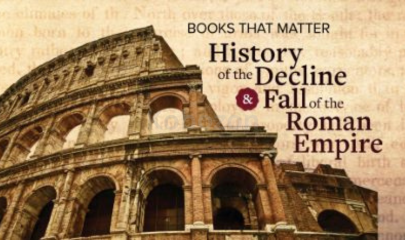
Books That Matter: The History of the Decline and Fall of the Roman Empire By Leo Damrosch
$5,00
Books that matter: The history of the decline and fall of the Roman Empire by Leo Damrosch – Digital Download!
Let’s embark on a captivating adventure to uncover remarkable insights that spark your curiosity and elevate your understanding
Books That Matter: The History of the Decline and Fall of the Roman Empire By Leo Damrosch
Overview
Books that matter: The history of the decline and fall of the Roman Empire by Leo Damrosch
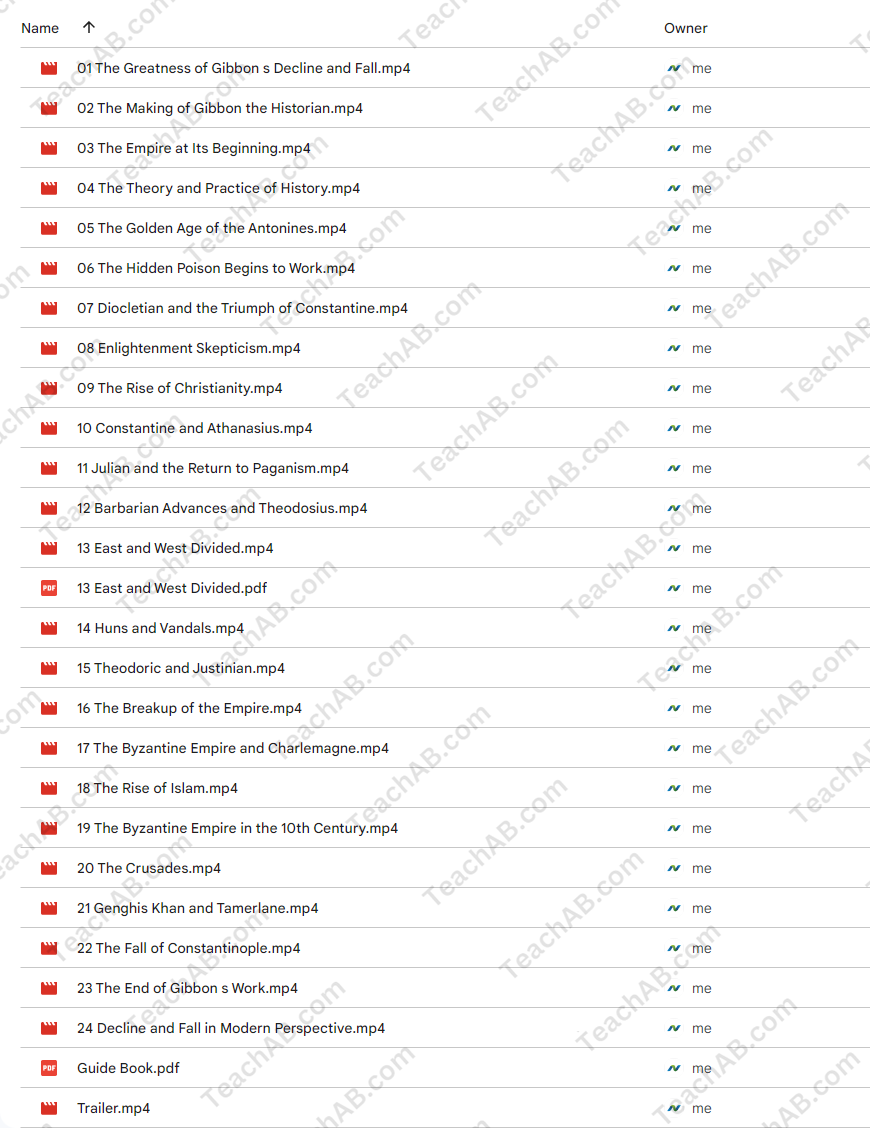
In the vast tapestry of historical literature, few works resonate with the depth and complexity of Edward Gibbon’s “The History of the Decline and Fall of the Roman Empire.” Leo Damrosch, a distinguished professor at Harvard University, offers an enlightening exploration of this monumental text through a course that meticulously unpacks its myriad themes and historical implications. Spanning 24 detailed lectures, Damrosch’s curriculum is crafted to illuminate Gibbon’s narrative, making it accessible to contemporary audiences, regardless of their familiarity with the original work. The course dives deep into significant periods of Roman history, examining the reigns of numerous emperors and the profound impact of Christianity amidst the backdrop of decline.
Overview of the Course Structure
The first aspect worth noting is the structure of Damrosch’s course, which comprises 24 lessons designed to unfold Gibbon’s complex narrative a narrative that is as much about the fall of an empire as it is about the human condition itself. Each lecture serves as a building block, gradually constructing a solid understanding of the themes and historical context that underpin Gibbon’s work.
- Lecture Breakdown:
| Lecture Number | Title/Theme | Key Focus Areas |
| 1 | Introduction to Gibbon | Overview of Gibbon’s life and his motivations |
| 2 | The Roman Republic | Study of the transition from Republic to Empire |
| 3 | The Reigns of Augustus and his Successors | Analysis of imperial consolidations and reforms |
| 4 | The Rise of Christianity | Impact of Christianity on Roman society |
As illustrated, the course utilizes a systematic approach to dissect Gibbon’s arguments, touching upon key historical periods that shaped Rome. Through this meticulous dissection, it becomes clear that Gibbon’s work is a reflection not only of historical facts but also of the philosophical inquiries the “why” behind the decline.
Thematic Exploration
Damrosch emphasizes the pivotal themes that Gibbon interweaves into his narrative, including the tension between liberty and authority, the role of religion in society, and the perennial conflict between decadence and virtue. This thematic exploration is not merely academic; rather, it serves as a mirror reflecting our own societal challenges and moral quandaries.
The comparison between ancient Rome and contemporary society is striking and thought-provoking. For instance, Gibbon’s assertion that moral decay precedes political collapse rings loud and clear even in today’s context. The gradual unraveling of civic virtues and the encroaching influence of a religion fundamentally altering the fabric of Roman life foreshadows contemporary global shifts.
- Core Themes Discussed:
- Moral Decay: The gradual decline of civic responsibility.
- Religious Influence: The shift in power dynamics due to the rise of Christianity.
- Political Instability: The critical analysis of leadership during periods of crisis.
This thematic lens allows learners to engage with Gibbon’s work on a more personal level, fostering connections between past and present challenges.
Gibbon’s Methodology and Biases
Another crucial area that Damrosch dives into is Gibbon’s methodological approach. As a historian, Gibbon’s narrative is colored by his own biases, informed by the Enlightenment ideals of reason, skepticism towards religion, and the belief in progress.
A fascinating point of discussion is Gibbon’s skepticism regarding Christianity’s role in the downfall of the Roman Empire. Many reviewers of Damrosch’s lectures appreciate how he highlights Gibbon’s unique position an educated man from the Enlightenment age critiquing a now-dominant religion while wrapping this critique in his historical analyses.
The lecture series discusses Gibbon’s three principal reasons for the Empire’s fall:
- The Barbarian Invasions: External pressures that led to the empire’s fragmentation.
- Internal Decay of Morality: The decline of civic duty and responsibility.
- Rise of Christianity: The transformative effects of faith on Roman political and social structures.
This methodological critique provides students with a rich groundwork for understanding how the lens through which we view history can significantly alter our interpretation of events.
Engaging Lectures and Learning Experience
Reviewers and students alike have frequently praised Damrosch’s approach to teaching this complex subject. His lectures are described as not only engaging but also deeply informative. The clarity with which he presents Gibbon’s dense prose makes the course an invaluable resource for those wishing to grasp the intricacies of Roman history without becoming enmeshed in overly academic jargon.
A notable aspect of his teaching style is the use of storytelling. Damrosch infuses each lecture with narratives that breathe life into historical figures, transforming them from mere names into relatable characters with struggles and triumphs. By using emotionally resonant anecdotes, he allows students to connect with historical figures on a personal level.
- Student Feedback Highlights:
- “An engaging experience that made Gibbon’s work come alive.”
- “A comprehensive framework for understanding complex themes.”
- “I wish there were deeper explorations of Gibbon’s explanations by the course’s end.”
This feedback aligns with the general consensus that Damrosch’s course significantly enriches the reading experience of Gibbon’s original text while encouraging deeper contemplation of the complex themes within.
Lasting Impact and Relevance
Reflecting on the lasting impact of Gibbon’s work and Damrosch’s interpretations, one must consider the broader implications of studying the history of the Roman Empire. The themes of political stability, moral responsibility, and the interplay of religious belief and civic duty remain starkly relevant today.
In an age where misinformation and divisive ideologies proliferate, understanding the lessons gleaned from the fall of Rome provokes essential questions: What can we learn from their mistakes? How can history guide us in building resilient societies?
Damrosch’s course ultimately posits that to look upon ancient Rome is not merely to peer into a distant past but to engage in an ongoing dialogue about our contemporary world. The parallels drawn not only enrich the understanding of Gibbon’s work but also compel modern readers to reflect on their place in history.
Conclusion
In summary, Leo Damrosch’s course on Edward Gibbon’s “The Decline and Fall of the Roman Empire” offers a profound exploration of historical narrative intertwined with literary depth. The engaging structure, thematic exploration, and critical examination of Gibbon’s methodology contribute to an enriching learning experience that resonates with both scholars and novices alike. By illuminating the complexities of a once-great empire’s downfall, Damrosch invites us to draw lessons that are crucial for our own civilization, making this course an essential resource for anyone intrigued by the tales of human triumphs and failures past, present, and future.
Frequently Asked Questions:
Innovation in Business Models: We use a group purchase approach that enables users to split expenses and get discounted access to well-liked courses. Despite worries regarding distribution strategies from content creators, this strategy helps people with low incomes.
Legal Aspects to Take into Account: Our operations’ legality entails several intricate considerations. There are no explicit resale restrictions mentioned at the time of purchase, even though we do not have the course developers’ express consent to redistribute their content. This uncertainty gives us the chance to offer reasonably priced instructional materials.
Quality Control: We make certain that every course resource we buy is the exact same as what the authors themselves provide. It’s crucial to realize, nevertheless, that we are not authorized suppliers. Therefore, the following are not included in our offerings: – Live coaching sessions or calls with the course author.
– Entry to groups or portals that are only available to authors.
– Participation in closed forums.
– Straightforward email assistance from the writer or their group.
Our goal is to lower the barrier to education by providing these courses on our own, without the official channels’ premium services. We value your comprehension of our distinct methodology.
Be the first to review “Books That Matter: The History of the Decline and Fall of the Roman Empire By Leo Damrosch”
You must be logged in to post a review.
Related products


$5,00





$5,00

$5,00



Science
$5,00

Reviews
There are no reviews yet.