
-
×
 Ultimate Self Hypnosis System Live Training 2022 By Igor Ledochowski
1 × $39,00
Ultimate Self Hypnosis System Live Training 2022 By Igor Ledochowski
1 × $39,00 -
×
 The Zero to 100k Course By Andy Elliott
1 × $62,00
The Zero to 100k Course By Andy Elliott
1 × $62,00 -
×
 2 Girls Teach Sex Bundle By Bobby Bradshaw, Shawna Lenee And Tori Black
1 × $5,00
2 Girls Teach Sex Bundle By Bobby Bradshaw, Shawna Lenee And Tori Black
1 × $5,00 -
×
 Batch Cooking 101 By Pamela Salzman
1 × $6,00
Batch Cooking 101 By Pamela Salzman
1 × $6,00 -
×
 Training Session - Guard position by Renzo Gracie
1 × $6,00
Training Session - Guard position by Renzo Gracie
1 × $6,00 -
×
 Options Academy Elevate By Simon Ree - Tao of Trading
1 × $109,00
Options Academy Elevate By Simon Ree - Tao of Trading
1 × $109,00


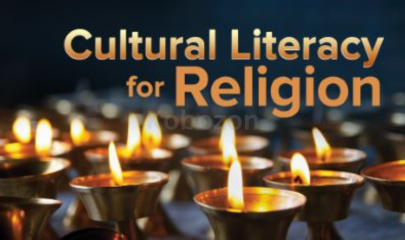
Cultural Literacy for Religion: Everything the Well-Educated Person Should Know By Mark Berkson
$5,00
Cultural literacy for religion: everything the well-educated person should know – Immediate Download!
Let’s embark on a captivating adventure to uncover remarkable insights that spark your curiosity and elevate your understanding

Cultural Literacy for Religion: Everything the Well-Educated Person Should Know By Mark Berkson
Overview
Cultural literacy for religion: everything the well-educated person should know
Understanding the intricate tapestry of world religions is akin to traversing a vibrant mosaic, where each tile represents a different belief, practice, or cultural nuance. Mark Berkson’s lecture series, “Cultural Literacy for Religion: Everything the Well-Educated Person Should Know,” serves as a guide through this vast landscape. Spanning 24 lectures of about 30 minutes each, Berkson delves deeply into the major world religions Hinduism, Buddhism, Judaism, Christianity, and Islam while also touching upon the less mainstream yet significant faiths like Jainism and Sikhism. In an era marked by increasing globalization and diversity, the importance of cultural literacy in understanding religion cannot be overstated. This series not only seeks to educate but also opens avenues for personal spiritual and intellectual growth.
An overview of the lecture series
Berkson’s approach is both inclusive and insightful, aimed at enriching the learner’s experience. Each lecture is carefully structured to highlight not just the historical and theological nuances of various religions but also their cultural implications. For example, the way Hinduism emphasizes the interconnectedness of all life can be seen in its rituals and festivals, which celebrate the cyclical nature of time and existence. This theme of interconnectedness resonates with other religions as well, making it a crucial point of discussion across the lectures.
Moreover, Berkson’s teaching style is engaging, facilitating a richer dialogue around complex themes. He has a talent for demystifying tough concepts in a way that feels relatable and approachable. This engaging pedagogy is reflective of Berkson’s respect for each religion. He fosters a sense of tolerance and promotes understanding rather than division. By doing so, he adeptly navigates the often turbulent waters of religious discourse, demonstrating how even the most intricate beliefs can be understood with compassion and clarity.
A particular feature of the series that stands out is the incorporation of rituals and practices into the lectures. For instance, understanding the significance of Diwali in Hinduism, the Feast of Passover in Judaism, or the Islamic practice of Ramadan provides learners with a window into the lived experiences of practitioners. This experiential aspect enriches the educational journey, allowing for a profound appreciation of diverse practices and worldviews.
Key themes explored in the series
Berkson’s lectures introduce several key themes essential to understanding and appreciating the world’s major religions.
- Historical Context: Each religion is presented with its historical backdrop, shedding light on how historical events have shaped beliefs and practices.
- Theological Foundations: The core beliefs, doctrines, and theological arguments are intricately explored, allowing students to grasp the essence of each faith.
- Cultural Practices: The rituals, ceremonies, and festivals that define each religion are discussed, providing insight into the everyday lives of adherents.
- Personal Growth: Berkson emphasizes understanding religion beyond academia, highlighting its role in personal and spiritual development.
Let’s look at how these themes manifest in some of the major religions:
| Theme | Hinduism | Buddhism | Christianity | Islam |
| Historical Context | Informed by ancient texts | Emerged from the life of Buddha | Developed from Jesus’ life and teachings | Founded in 7th-century Arabia |
| Theological Foundations | Belief in karma, dharma, and moksha | Concept of suffering and enlightenment | Trinity and salvation through Christ | Tawhid (oneness of God) |
| Cultural Practices | Festivals like Diwali | Meditation and mindfulness | Rituals like Baptism and Eucharist | Prayers, fasting (Ramadan) |
| Personal Growth | Path to self-realization | Mindful living | Transformation through faith | Submission to God’s will |
Through these discussions, learners gain a well-rounded understanding of what each religion represents not just in terms of belief, but also in its cultural relevance.
Critiques and praise for Berkson’s series
Despite the positive reception, there are critiques that merit discussion. Some reviewers note that while the series is comprehensive, certain topics could benefit from deeper exploration. For example, while Berkson covers the core tenets of Buddhism, the nuances of various Buddhist traditions like Zen or Tibetan Buddhism receive less emphasis. This can leave learners wanting a more intricate understanding of divergences within the tradition.
However, many argue that this broad overview is precisely where Berkson shines. His ability to simplify complex subjects without diluting their richness is commendable. The consistent emphasis on respect and tolerance is a refreshing approach in a world where religious discussions often become polarizing. The series has been particularly praised for its clarity; for example, Berkson’s explanation of the cyclical view of time in Hinduism deftly contrasts with the linear view predominant in Christianity, thereby fostering a deeper comprehension of how these perspectives shape cultural practices.
In addition, learners appreciate the accessibility of the content. Berkson’s presentations engage a wide demographic, making the material approachable for individuals with varying levels of prior knowledge about religions. This accessibility serves as an important educational tool, encouraging individuals from diverse backgrounds to participate in these discussions on religion.
The relevance of cultural literacy
In a world increasingly defined by diversity and pluralism, cultural literacy in religion has become more than just an intellectual exercise; it is a necessity. Berkson’s series addresses this pressing need for greater understanding. Cultural literacy enables individuals to engage meaningfully with others who hold different beliefs and values. It fosters empathy and respect qualities that can help bridge divides and cultivate a more harmonious society.
For instance, in multicultural settings, having a strong foundational understanding of various religions can significantly reduce misunderstandings and conflicts. Imagine a community event celebrating a religious festival where attendees have knowledge of its significance; such awareness can enrich the experience, fostering a sense of unity and shared humanity. Conversely, ignorance can lead to stereotypes and misconceptions that divide communities instead of uniting them.
The series also highlights how many religions offer valuable lessons in morality, ethics, and compassion. These universal values can provide guidance in contemporary dilemmas ranging from environmental crises to social justice issues. Both religious and non-religious individuals can draw from these teachings as they navigate the complexities of modern life.
Berkson’s contribution to religious education
The impact of Berkson’s work extends beyond mere lectures; it advocates for a more profound understanding of what religion means in the 21st century. His commitment to respectful dialogue and education paves the way for a new generation of individuals equipped to engage with complex religious landscapes. In this context, it is crucial to acknowledge educational reforms that embrace interdisciplinary studies, blending religious studies with sociology, anthropology, and history. Such reforms can provide a more comprehensive understanding of the implications of religious practices on global issues.
Moreover, the rise of religious extremism and interfaith conflicts underscores the urgency of cultural literacy. By fostering an understanding of diverse religious perspectives, the series contributes significantly to mitigating conflicts based on ignorance or hatred. Each lecture encourages listeners to cultivate respect for differing viewpoints, which is vital for promoting peace in our increasingly interconnected world.
Conclusion
Mark Berkson’s “Cultural Literacy for Religion” serves as more than just an academic lecture series; it is an invitation to engage deeply with the major world religions that shape human experiences and cultures. Through thoughtful exposition and a focus on respect and empathy, this series provides a crucial resource for individuals striving to enrich their understanding of the multifaceted nature of faith in the contemporary world. In an age where knowledge can be a powerful tool for unity, Berkson’s work stands out as an essential guide for those who wish to navigate the complex waters of religious literacy with grace and insight.
Frequently Asked Questions:
Innovation in Business Models: We use a group purchase approach that enables users to split expenses and get discounted access to well-liked courses. Despite worries regarding distribution strategies from content creators, this strategy helps people with low incomes.
Legal Aspects to Take into Account: Our operations’ legality entails several intricate considerations. There are no explicit resale restrictions mentioned at the time of purchase, even though we do not have the course developers’ express consent to redistribute their content. This uncertainty gives us the chance to offer reasonably priced instructional materials.
Quality Control: We make certain that every course resource we buy is the exact same as what the authors themselves provide. It’s crucial to realize, nevertheless, that we are not authorized suppliers. Therefore, the following are not included in our offerings: – Live coaching sessions or calls with the course author.
– Entry to groups or portals that are only available to authors.
– Participation in closed forums.
– Straightforward email assistance from the writer or their group.
Our goal is to lower the barrier to education by providing these courses on our own, without the official channels’ premium services. We value your comprehension of our distinct methodology.
Be the first to review “Cultural Literacy for Religion: Everything the Well-Educated Person Should Know By Mark Berkson”
You must be logged in to post a review.
Related products

Science
$5,00


$5,00

$5,00






$5,00

Reviews
There are no reviews yet.