
 Psychedelic Integration: Psychedelics, Healing, and Spiritual Practice - Collection By Psychedelic Integration Faculty

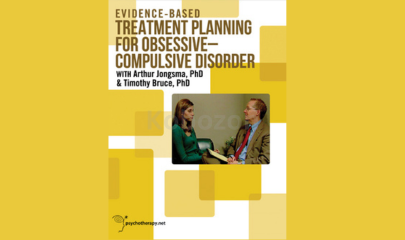
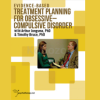
Evidence-Based Treatment Planning for Obsessive Compulsive Disorder with Timothy Bruce & Arthur Jongsma
$8,00
Evidence-based Treatment Planning for Obsessive Compulsive Disorder – Digital Download!
Let’s embark on a captivating adventure to uncover remarkable insights that spark your curiosity and elevate your understanding
Evidence-Based Treatment Planning for Obsessive Compulsive Disorder with Timothy Bruce & Arthur Jongsma
Overview
Planning for Obsessive Compulsive Disorder Treatment Using Evidence
Effective treatment of obsessive compulsive disorder (OCD) is a difficult task for both persons who suffer from it and mental health specialists. Understanding the intricacies of this illness is essential to creating specialized treatment plans. In their study, Evidence-Based Treatment Planning for Obsessive Compulsive Disorder, Drs. Timothy Bruce and Arthur Jongsma provide a perceptive viewpoint. Their extensive curriculum gives professionals the skills they need to handle the complex terrain of OCD treatment. This resource seeks to shed light on the way to successful interventions for clients and therapists by fusing scientific data with useful strategies.
Recognizing the Intricate Character of OCD
OCD frequently begins with intrusive thoughts that develop into an overwhelming urge to engage in ritualistic activities. These compulsions are ill-advised attempts to reduce the anxiety that the obsessions are causing. In order to build successful therapy relationships, Drs. Bruce and Jongsma emphasize how crucial it is for therapists to understand the causes and symptoms of OCD. Practitioners are better able to offer emotional support when they have a thorough awareness of the difficulties that their clients confront.
Comparing OCD to an unrelenting storm is a powerful metaphor; compulsive behaviors offer a false sense of safety, while obsessive thoughts serve as thunder, loud and oppressive. But the wrath of the storm will soon overwhelm this sanctuary. Many times, clients are caught in a cycle of momentary relief from the compulsions, only to have the storm return with even more vigor. Clinicians who comprehend this cycle are better able to empathize with their patients and create calculated solutions to break the vicious cycle.
In order to achieve this, the evidence-based treatment planning program describes the substantial effects that OCD has on a client’s day-to-day activities. The consequences of untreated OCD can be severe, ranging from social disengagement to decreased productivity at work. The primary goal of Bruce and Jongsma is to advocate an approach that gives the individual’s distinct experiences first priority, assisting practitioners in creating customized treatment programs that support healing.
The Structured Six-Step Treatment Process
A hallmark of Bruce and Jongsma’s program is the six-step process for developing evidence-based treatment plans tailored for clients with OCD. This structured approach is particularly effective as it aligns with empirically supported treatments (ESTs), such as Cognitive Behavioral Therapy (CBT) and Exposure and Response Prevention (ERP).
Here is a brief outline of the six-step process:
- Assessment
- Conduct a thorough evaluation, encompassing symptom severity and impact on daily functioning.
- Psychoeducation
- Provide clients with a clear understanding of OCD and its treatment methodologies.
- Goal Setting
- Collaboratively establish realistic and measurable treatment goals.
- Therapeutic Techniques
- Implement CBT and ERP strategies tailored to the client’s specific needs.
- Progress Monitoring
- Regularly assess treatment outcomes and client feedback.
- Relapse Prevention
- Develop a comprehensive plan to sustain progress and address any potential setbacks.
Each step is underpinned by the importance of collaboration, ensuring that clients are active participants in their own recovery journey. Case vignettes featured in the program showcase how these steps can be effectively navigated, providing real-world context for practitioners. This integration of theory and practice serves to demystify the treatment planning process while building the confidence of therapists as they engage with clients.
The Empirical Basis of Treatment Effectiveness
Numerous studies demonstrating the advantages of ESTs in treating OCD support the effectiveness of the six-step procedure. Recent research, such as that published in the Journal of Anxiety Disorders, shows that CBT considerably lessens OCD symptoms, particularly when combined with ERP. One study, for example, reported that participants who received an intervention based on these approaches experienced a significant 60–70% decrease in symptoms. This enormous body of data supports the idea that therapists can effect meaningful change by incorporating empirical findings into routine practice.
Additionally, the content urges professionals to incorporate specific behavioral criteria and objective measurements into therapy objectives. In addition to strengthening the therapeutic bond, these measurable indicators give clients and therapists a clearer path forward. Clinicians can make sure that therapy progress is quantifiable and that necessary adjustments can be made by using standardized assessments.
Furthermore, Bruce and Jongsma’s explanations of the background and importance of ESTs highlight the ways in which previous struggles have influenced current procedures. This backward look is especially significant because it shows how our knowledge of OCD has changed over time, opening the door to creative therapies that cater to the demands of modern patients.
Supplemental Learning Tools for Enhanced Understanding
To complement the DVD presentation of their findings, Bruce and Jongsma offer a host of auxiliary resources, including a companion workbook and a facilitator’s guide. These resources are pivotal in reinforcing learning objectives and provide supplementary materials that cater to different learning styles.
Key Features of the Companion Workbook:
- Summaries of the major concepts to facilitate recall.
- Test Questions that allow practitioners to assess their understanding and retention of the subject matter.
- Practical Exercises designed for both individual practice and group settings, thereby fostering collaborative learning experiences.
The workbook’s versatility makes it a valuable tool for both seasoned professionals and emerging practitioners alike. The structured activities within the workbook invite healthcare providers to apply the theoretical framework in practical scenarios, thereby bolstering their clinical skills and enhancing their confidence.
Long-Term Impact on Mental Health Care
In conclusion, the collaborative efforts of Timothy Bruce and Arthur Jongsma in providing an evidence-based treatment planning framework for OCD signify a monumental advancement in mental health care. By equipping clinicians with structured methodologies, supplemental resources, and the compelling evidence required to instill confidence in their practices, they contribute to elevating the quality of care extended to individuals struggling with OCD. This holistic approach fosters not only the emotional resilience of clients but also the professional growth of mental health providers.
As mental health care continues to evolve, approaches like those presented by Bruce and Jongsma illuminate the importance of grounding treatment in empirical evidence while also recognizing the unique narratives of clients. The stories of recovery often become a testament to the effectiveness of these carefully crafted interventions, leading us to a future where individuals are not defined by their disorders but by their potential to thrive.
Frequently Asked Questions:
Innovation in Business Models: We use a group purchase approach that enables users to split expenses and get discounted access to well-liked courses. Despite worries regarding distribution strategies from content creators, this strategy helps people with low incomes.
Legal Aspects to Take into Account: Our operations’ legality entails several intricate considerations. There are no explicit resale restrictions mentioned at the time of purchase, even though we do not have the course developers’ express consent to redistribute their content. This uncertainty gives us the chance to offer reasonably priced instructional materials.
Quality Control: We make certain that every course resource we buy is the exact same as what the authors themselves provide. It’s crucial to realize, nevertheless, that we are not authorized suppliers. Therefore, the following are not included in our offerings: – Live coaching sessions or calls with the course author.
– Entry to groups or portals that are only available to authors.
– Participation in closed forums.
– Straightforward email assistance from the writer or their group.
Our goal is to lower the barrier to education by providing these courses on our own, without the official channels’ premium services. We value your comprehension of our distinct methodology.
Be the first to review “Evidence-Based Treatment Planning for Obsessive Compulsive Disorder with Timothy Bruce & Arthur Jongsma”
You must be logged in to post a review.
Related products


Psychology

Psychology





Reviews
There are no reviews yet.