
-
×
 Access Ancient Soul Wisdom - Past Lives Course 2 By Akashic Knowing
1 × $85,00
Access Ancient Soul Wisdom - Past Lives Course 2 By Akashic Knowing
1 × $85,00 -
×
 Fitness Business Essentials Bundle By Carroll Performance
1 × $458,00
Fitness Business Essentials Bundle By Carroll Performance
1 × $458,00 -
×
 360 Photo Editing in Photoshop By Colin Smith
1 × $5,00
360 Photo Editing in Photoshop By Colin Smith
1 × $5,00 -
×
 Your First 10000 Followers By Katya Varbanova
1 × $23,00
Your First 10000 Followers By Katya Varbanova
1 × $23,00 -
×
 Sexual Trigger Program by Jon Sinn
1 × $5,00
Sexual Trigger Program by Jon Sinn
1 × $5,00 -
×
 Infield Mastery Program By Matt Artisan
1 × $69,00
Infield Mastery Program By Matt Artisan
1 × $69,00 -
×
 Opening Up: A Guide To Creating And Sustaining Open Relationships by Tristan Taormino
1 × $5,00
Opening Up: A Guide To Creating And Sustaining Open Relationships by Tristan Taormino
1 × $5,00 -
×
 The Freedom Lab By Club Life Design
1 × $93,00
The Freedom Lab By Club Life Design
1 × $93,00 -
×
 ProfileMate 2023 By Luke Maguire
1 × $15,00
ProfileMate 2023 By Luke Maguire
1 × $15,00 -
×
 Extended Stays for Landlords By Al Williamson
1 × $419,00
Extended Stays for Landlords By Al Williamson
1 × $419,00 -
×
 Accents and Dialects Master Class By Eliza Jane Schneider
1 × $62,00
Accents and Dialects Master Class By Eliza Jane Schneider
1 × $62,00 -
×
 CopyThinking 2023 And 2024 By George Ten
1 × $23,00
CopyThinking 2023 And 2024 By George Ten
1 × $23,00 -
×
 Ultimate Collection 28 Courses - Make A Better Sex And Life By Gabrielle Moore
1 × $46,00
Ultimate Collection 28 Courses - Make A Better Sex And Life By Gabrielle Moore
1 × $46,00 -
×
 How to Lead and Coach By Design By Elisa Canali
1 × $23,00
How to Lead and Coach By Design By Elisa Canali
1 × $23,00 -
×
 Getting the Sex You Want By Tammy Nelson
1 × $5,00
Getting the Sex You Want By Tammy Nelson
1 × $5,00 -
×
 8D Lip Design eLearning Fillers Course By Tim Pearce
1 × $241,00
8D Lip Design eLearning Fillers Course By Tim Pearce
1 × $241,00 -
×
 The Runners Knee Program By Got Rom
1 × $23,00
The Runners Knee Program By Got Rom
1 × $23,00 -
×
 Renegade Millionaire System By Dan Kennedy
1 × $6,00
Renegade Millionaire System By Dan Kennedy
1 × $6,00 -
×
 Path To Powers By John Demartini
1 × $31,00
Path To Powers By John Demartini
1 × $31,00 -
×
 Training for Evolving Humans 2022 By Ilan Bendelman
1 × $85,00
Training for Evolving Humans 2022 By Ilan Bendelman
1 × $85,00 -
×
 POFU Live 2021 (4th Edition) By Semantic Mastery Crew
1 × $39,00
POFU Live 2021 (4th Edition) By Semantic Mastery Crew
1 × $39,00 -
×
 DeluxeBundle Collection Seduction Materials by Brad P
1 × $5,00
DeluxeBundle Collection Seduction Materials by Brad P
1 × $5,00 -
×
 7 Figure Sales Training and Script Bundle By Eric Cline
1 × $319,00
7 Figure Sales Training and Script Bundle By Eric Cline
1 × $319,00 -
×
 The Frozen Shoulder Program By Got Rom
1 × $23,00
The Frozen Shoulder Program By Got Rom
1 × $23,00 -
×
 Five Element Healing Movements By Spring Forest Qigong
1 × $31,00
Five Element Healing Movements By Spring Forest Qigong
1 × $31,00 -
×
 Master The Bedroom Program By Apollonia Ponti
1 × $31,00
Master The Bedroom Program By Apollonia Ponti
1 × $31,00 -
×
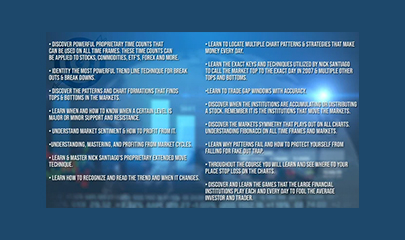 The Methodology Revealed By Nick Santiago And Gareth Soloway - InTheMoneyStocks
1 × $209,00
The Methodology Revealed By Nick Santiago And Gareth Soloway - InTheMoneyStocks
1 × $209,00 -
×
 Effortless Attraction Playbook: The secret model that a nerdy college guy discovered to get unlimited sex By Superman
1 × $15,00
Effortless Attraction Playbook: The secret model that a nerdy college guy discovered to get unlimited sex By Superman
1 × $15,00 -
×
 Weightless Wealth By Elisa Canali
1 × $31,00
Weightless Wealth By Elisa Canali
1 × $31,00 -
×
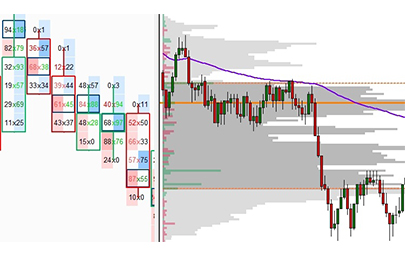 Day Trading with Volume Profile and Orderflow By Price Action Volume Trader
1 × $46,00
Day Trading with Volume Profile and Orderflow By Price Action Volume Trader
1 × $46,00 -
×
 Secrets of a Winning Trader By Gareth Soloway
1 × $871,00
Secrets of a Winning Trader By Gareth Soloway
1 × $871,00 -
×
 eCom Fast Track Bundle By Justin Phillips
1 × $15,00
eCom Fast Track Bundle By Justin Phillips
1 × $15,00 -
×
 Training Session - Submissions: Going deeper by Renzo Gracie
1 × $6,00
Training Session - Submissions: Going deeper by Renzo Gracie
1 × $6,00 -
×
 The Complete Guide to InDesign Styles By Erica Gamet
1 × $5,00
The Complete Guide to InDesign Styles By Erica Gamet
1 × $5,00 -
×
 Your Most Profitable Quarter Yet By Alyssa Coleman
1 × $23,00
Your Most Profitable Quarter Yet By Alyssa Coleman
1 × $23,00 -
×
 Gifts of Gaia By Randi Lee
1 × $54,00
Gifts of Gaia By Randi Lee
1 × $54,00 -
×
 Product Marketing Certified Core By Product Marketing Alliance
1 × $272,00
Product Marketing Certified Core By Product Marketing Alliance
1 × $272,00 -
×
 Scrapbooking Your Baby First Year By Nicole Samuels
1 × $5,00
Scrapbooking Your Baby First Year By Nicole Samuels
1 × $5,00 -
×
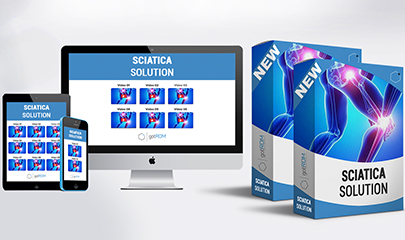 The Sciatica Solution Program By Got Rom
1 × $23,00
The Sciatica Solution Program By Got Rom
1 × $23,00 -
×
 Intermediate Herbal Course By The Herbal Academy
1 × $62,00
Intermediate Herbal Course By The Herbal Academy
1 × $62,00 -
×
 Playful Millions 2023 By Cat Howell
1 × $31,00
Playful Millions 2023 By Cat Howell
1 × $31,00 -
×
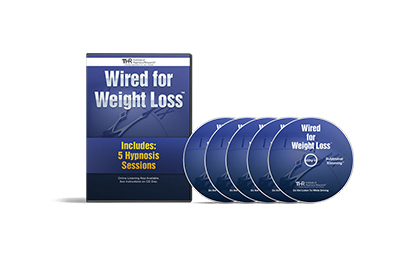 Wired For Weight Loss By Mark Patrick
1 × $23,00
Wired For Weight Loss By Mark Patrick
1 × $23,00 -
×
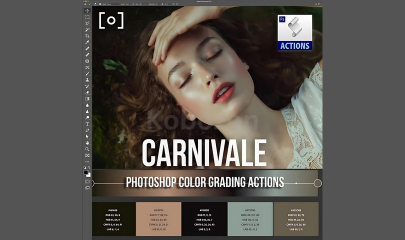 Adobe Photoshop Actions for Color | Carnivale Action by Kate Woodman
1 × $8,00
Adobe Photoshop Actions for Color | Carnivale Action by Kate Woodman
1 × $8,00 -
×
 The Reversing T2D 10-Week Program By Diana & Jose
1 × $78,00
The Reversing T2D 10-Week Program By Diana & Jose
1 × $78,00 -
×
 Limitless 2.0 (Week 1 – 5) by David Tian
1 × $5,00
Limitless 2.0 (Week 1 – 5) by David Tian
1 × $5,00 -
×
 Mergers and Acquisitions Toolkit By Domont Consulting
1 × $23,00
Mergers and Acquisitions Toolkit By Domont Consulting
1 × $23,00 -
×
 Training Session - Side Control Attacks by Renzo Gracie
1 × $6,00
Training Session - Side Control Attacks by Renzo Gracie
1 × $6,00 -
×
 Unfair Advantage Bundle By Everyday Spy
1 × $101,00
Unfair Advantage Bundle By Everyday Spy
1 × $101,00 -
×
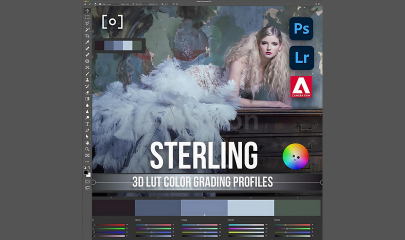 3D LUT Profile Sterling by Earth Oliver and Sef McCullough
1 × $8,00
3D LUT Profile Sterling by Earth Oliver and Sef McCullough
1 × $8,00 -
×
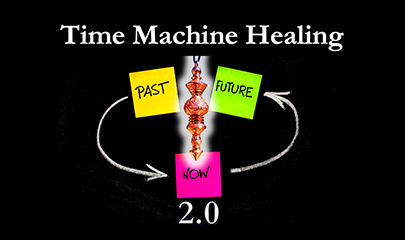 Time Machine Healing 2.0 - Extended Version with New Protocols & Perspectives By Erich Hunter, Robin Schade, Clarissa Barrazza & Syed Ajmal - Pendulum Alchemy
1 × $31,00
Time Machine Healing 2.0 - Extended Version with New Protocols & Perspectives By Erich Hunter, Robin Schade, Clarissa Barrazza & Syed Ajmal - Pendulum Alchemy
1 × $31,00 -
×
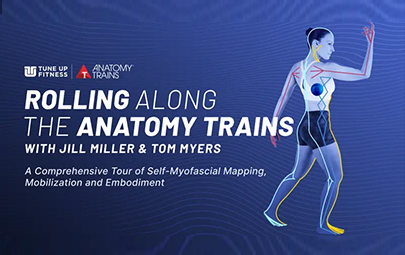 Rolling Along the Anatomy Trains (Online Video Program Only) By Tom Myers - Jill Miller
1 × $54,00
Rolling Along the Anatomy Trains (Online Video Program Only) By Tom Myers - Jill Miller
1 × $54,00 -
×
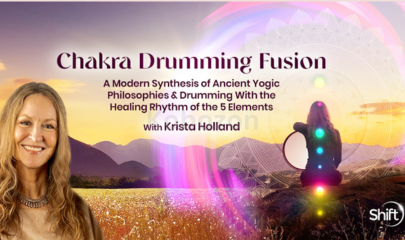 Chakra Drumming Fusion by Krista Holland - The Shift Network
1 × $54,00
Chakra Drumming Fusion by Krista Holland - The Shift Network
1 × $54,00 -
×
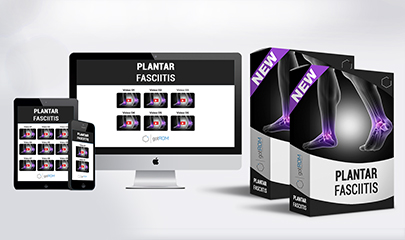 The Plantar Fasciitis Program By Got Rom
1 × $23,00
The Plantar Fasciitis Program By Got Rom
1 × $23,00



Medical Myths, Lies, and Half-Truths: What We Think We Know May Be Hurting Us By Steven Novella
$5,00
Medical myths, lies, and half-truths: What we think we know may be hurting us – Digital Download!
Let’s embark on a captivating adventure to uncover remarkable insights that spark your curiosity and elevate your understanding
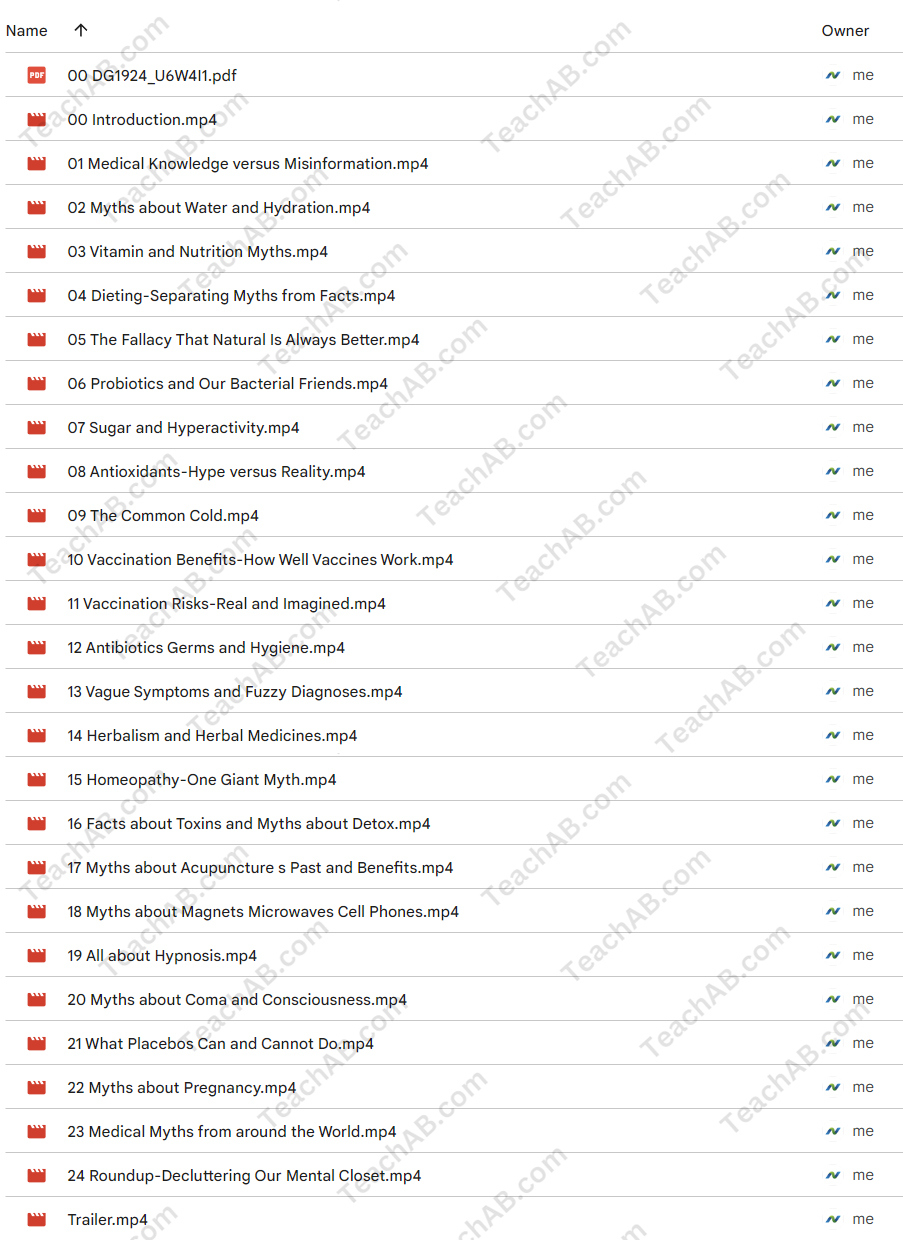
Medical Myths, Lies, and Half-Truths: What We Think We Know May Be Hurting Us By Steven Novella
Overview
Medical myths, lies, and half-truths: What we think we know may be hurting us
In a world inundated with information, separating fact from fiction, particularly in health-related matters, can feel like navigating a labyrinth where misleading signs lead us astray. The work of Steven Novella, titled “Medical myths, lies, and half-truths: what we think we know may be hurting us,” beckons us to question deep-seated beliefs that are often taken for granted as truth. This educational series, part of the Great Courses, paints a vivid picture of the discrepancies between common medical lore and science, urging us to shift our mindset from anecdotal understanding to evidence-based practices. The implications of these myths extend far beyond mere misconceptions; they can profoundly impact our health decisions and outcomes.
By dissecting some prevalent myths, Novella fosters an awareness that encourages individuals to take control of their health narratives, grounded firmly in scientific reality. Instead of succumbing to the comforting yet erroneous aphorisms passed down through generations, this discourse invites us to challenge the status quo. Through careful analysis, we can illuminate the intricate tangle of misinformation that hampers our understanding of health.
Hydration Myths
One of the most pervasive myths is the notion that we must drink eight glasses of water a day a guideline fondly dubbed the “8×8 rule.” This widespread advice offers a simplistic approach to hydration, yet its origins stem more from tradition than scientific grounding. In reality, the National Academies of Sciences recommends that women should aim for approximately 2.7 liters, and men should target around 3.7 liters of total water intake daily. It’s a misconception that neglects to consider that these figures include fluids from various food sources and beverages consumed throughout the day.
The Roots of the Myth
The misunderstanding regarding daily hydration needs often arises from a combination of marketing pressures and general health advice oversimplifications. Consumer culture has seized the idea of the eight-glass threshold, leading many to believe it is an unwavering rule rather than a guideline. This simplistic mantra serves as a double-edged sword: while it encourages hydration, it can also lead individuals to obsessively monitor their water intake, potentially creating a counterproductive relationship with hydration itself.
- Misinterpretations Derived From:
- Simplicity in Communication: A straightforward guideline is easier to remember and communicate.
- Ambiguity of Individual Needs: Factors like climate, activity level, and overall health status shift individual hydration requirements, making blanket rules ineffective.
Science-Based Understanding
Advancing our understanding beyond the eight-glass rule means acknowledging hydration as a spectrum rather than a threshold. Health experts recommend listening to our bodies and recognizing signs of thirst. For those involved in vigorous exercise or living in warmer climates, hydration needs will undoubtedly increase. Conversely, less active individuals or those in cooler environments may require significantly less.
The Institute of Medicine reminds us that hydration isn’t solely a drink-and-go affair; it’s a complex interplay of fluids obtained from food sources, especially fruits and vegetables, which can provide substantial water content. Thus, by focusing solely on potentially arbitrary figures, we risk neglecting the rich tapestry of nutrition that sustains our bodies.
Joint Cracking: Myths of Arthritis
Another common misconception is the belief that cracking knuckles leads to arthritis. The myth is as persistent as it is unfounded, recycling through generations with unshakeable certainty. Studies throughout the years have consistently shown no correlation between this habit and an increased risk of arthritis.
Sound Science Behind Joint Cracking
The sound produced when knuckles crack results from the formation of gas bubbles within the joint fluid, a phenomenon known as cavitation. Rather than indicating damage, repetitive knuckle cracking has been shown not to harm the joints a fact often met with skepticism by those who have long believed otherwise.
- Facts:
- Joint cracking is harmless and offers no direct link to arthritic conditions.
- Discomfort from knuckle-cracking may stem from individual sensitivity rather than any systemic harm.
Reassessing the Impact
Understanding why these misconceptions persist requires examining their emotional undertones. The fear of health issues, especially something as debilitating as arthritis, leads individuals to latch onto beliefs that offer an illusion of control. Yet in a cruel twist, these beliefs can sometimes lead to unnecessary anxiety or self-recrimination.
By spreading accurate information about joint health instead of fears shrouded in mythology, we empower ourselves to recognize bodily functions as natural rather than harmful. Thus, more nuanced discourse on this topic encourages healthier attitudes towards body mechanics.
Eye Health: The Low-Light Myth
Many of us have been cautioned against reading in dim conditions, with the haunting belief that it can damage eyesight. While reading in low light can indeed induce temporary eye strain, it does not lead to any permanent damage. This myth casts a shadow over a complex subject that deserves careful consideration.
Exploring Eye Health Myths
Eyesight deterioration generally stems from factors including genetics, age, and overall eye health, rather than the light conditions in which one reads. For example, conditions like myopia or hyperopia are primarily determined through hereditary components rather than any single reading behavior.
- Common Eye Health Misconceptions:
- “Using screens too long will ruin your eyes.” – Extended use may lead to temporary discomfort, often termed computer vision syndrome, but does not cause permanent damage.
- “Eating carrots significantly improves eyesight.” – While Vitamin A is vital for overall eye health, no single food offers a magical cure.
Encouraging Informed Practices
This myth’s persistence reiterates how misinformation can overshadow common-sense practices. Encouraging individuals to adopt healthy habits, such as maintaining optimal lighting during reading and taking frequent breaks from screen time, can promote healthier viewing experiences without fostering fear.
By focusing on a broader understanding of eye health, we can shift the narrative from fear-based misconceptions to a more holistic approach to visual wellness.
The Tryptophan Turkey Lake
A common post-Thanksgiving conversation revolves around the notion that eating turkey makes you sleepy due to its tryptophan content. This belief permeates holiday culture, often likening the culinary feast to a drowsy holiday nap. However, the science reveals a more nuanced truth.
The Reality Behind the Myth
While turkey contains tryptophan, plenty of other foods nuts, cheese, and chicken, for example also boast similar levels of this amino acid. The drowsiness many feel after a hearty meal is more likely attributed to the overindulgence typical during celebrations, not merely the turkey itself.
- Tryptophan Sources:
- Turkey
- Nuts
- Cheese
- Chicken
- Eggs
Dissecting Holiday Habits
This myth highlights how misconceptions can fabricate narratives around traditions. By focusing on the complex relationship between food intake and post-meal lethargy, which is often exacerbated by high-calorie meals combining carbohydrates and fats we can create a healthier understanding of our body’s responses.
Acknowledging these aspects not only equips us with the knowledge to make better dietary choices but also fosters a deeper appreciation for the culinary traditions that unite us without leaving us in a post-meal haze.
Cold Weather and Illness: The Misconception
Another enduring myth is the belief that you can catch a cold from being cold. As winter approaches, this notion resurfaces every flu season, igniting a pervasive fear that braving the cold will inevitably lead to sniffles and coughs.
The Truth Behind Respiratory Illness
Research tells us that viruses cause colds not the temperature. However, cold weather can create conditions that contribute to increased transmission rates. For instance, when people gather indoors during winter months, they share closer quarters, heightening the risk of virus spread.
- Cold Weather Interactions:
- Increased Indoor Gathering: People congregate indoors, leading to a rise in virus transmission.
- Weakened Immune Responses: Some studies suggest cold exposure may temporarily dampen immune function, but not directly cause illness.
Dispelling Cold Myths
This myth highlights an ironic twist: the fear of the chill leads to protective behaviors such as bundling up that may not be grounded in scientific reality. Dismissing these simplistic beliefs frees us to prioritize preventive practices backed by research. Applying a nuanced understanding of cold weather impacts can help guide better health practices, focusing on hygiene and vaccinations rather than fearing the temperature.
Conclusion
Navigating through the myriad of medical myths, lies, and half-truths illuminates critical truths about our approaches to health. The insights presented by Steven Novella serve as a clarion call to filter anecdotal beliefs through scientific scrutiny. Understanding and debunking these myths can empower individuals to make informed choices about their health and well-being, steering clear of misconceptions that have long dictated our understanding.
By fostering a culture of scientific skepticism and encouraging critical discussions surrounding health narratives, we not only arm ourselves with knowledge but also promote a healthier society. As we unlearn the falsehoods, we can begin to embrace a reality grounded in evidence, enhancing our lives and wellness in the process.
Frequently Asked Questions:
Innovation in Business Models: We use a group purchase approach that enables users to split expenses and get discounted access to well-liked courses. Despite worries regarding distribution strategies from content creators, this strategy helps people with low incomes.
Legal Aspects to Take into Account: Our operations’ legality entails several intricate considerations. There are no explicit resale restrictions mentioned at the time of purchase, even though we do not have the course developers’ express consent to redistribute their content. This uncertainty gives us the chance to offer reasonably priced instructional materials.
Quality Control: We make certain that every course resource we buy is the exact same as what the authors themselves provide. It’s crucial to realize, nevertheless, that we are not authorized suppliers. Therefore, the following are not included in our offerings: – Live coaching sessions or calls with the course author.
– Entry to groups or portals that are only available to authors.
– Participation in closed forums.
– Straightforward email assistance from the writer or their group.
Our goal is to lower the barrier to education by providing these courses on our own, without the official channels’ premium services. We value your comprehension of our distinct methodology.
Be the first to review “Medical Myths, Lies, and Half-Truths: What We Think We Know May Be Hurting Us By Steven Novella”
You must be logged in to post a review.
Related products
$85,00
$85,00
$23,00

$132,00

$31,00
$109,00
$23,00

$78,00
$46,00
$31,00
$23,00
$54,00

Reviews
There are no reviews yet.